
Smart home technology is changing the way people live by making everyday tasks easier with automation and remote control. Homeowners can now control lights, thermostats, security systems, and more through their smartphones. This technology creates a more convenient and efficient living environment.

These systems use advanced technology to improve daily life and save energy. Smart devices communicate with each other through a network, providing a seamless experience. This connectivity helps ensure everything in the home is working together effortlessly.
Developing smart home ecosystems means devices from different brands can work smoothly with one another. This integration allows users to customize their homes to meet their specific needs and preferences.
Key Takeaways
- Smart homes offer remote control of various devices.
- Energy efficiency and security are key benefits.
- Integration allows for personalized smart home systems.
Evolution of Smart Home Technology
Smart home technology has grown rapidly, transforming from simple devices to advanced systems. The journey began with basic automation, leading to interconnected devices through IoT and now advanced home automation.
Early Innovations and Adoption
In the late 20th century, smart home technology started with basic tools like programmable thermostats and lighting controls. These were often standalone devices, not connected to other systems.
Early adopters were tech enthusiasts who enjoyed experimenting with new gadgets. Simple devices like automatic sprinkler systems and garage door openers gained popularity. Home security systems also emerged, providing homeowners with newfound peace of mind. Over time, the desire for more convenient, integrated solutions grew, setting the stage for future advancements.
Rise of Internet of Things (IoT)
The introduction of IoT changed the game, allowing devices to communicate with each other through the internet. This connectivity enabled a new level of automation and control. Devices, such as smart speakers and lighting systems, began to come with voice control and smartphone apps.
Adoption rates surged as consumers sought more efficient and user-friendly experiences. Companies expanded their range of products to include everything from smart fridges to smart locks. These innovations offered seamless integration, giving users more control over their environments with just a few clicks or voice commands.
Advancements in Home Automation
Today, home automation goes beyond basic tasks to fully integrated systems. Smart assistants, like Alexa and Google Assistant, allow for complex scheduling and routines. Homeowners can now control heating, lighting, and even security from anywhere in the world.
Artificial intelligence has improved systems' ability to learn user preferences and adjust settings accordingly. Energy efficiency has become a significant focus, with smart systems reducing waste and lowering utility bills. This wave of advancements makes homes more comfortable, secure, and efficient, marking a significant evolution from the early days of smart technology.
Components of a Smart Home

Smart homes are made up of different technologies that work together to make living more convenient and efficient. These components include devices, sensors, communication systems, and user-friendly controls.
Smart Devices and Appliances
Smart devices and appliances are key parts of a modern home. They include things like smart refrigerators, lights, thermostats, and speakers. These devices connect to the internet and can be controlled remotely or through voice commands.
Some common smart appliances are smart ovens, which can be programmed to start cooking at a certain time, and smart TVs, allowing streaming services access. They often come with apps that help users control and monitor their functions.
Sensors and Actuators
Sensors gather information from the environment. They can detect motion, temperature, humidity, and even light levels. For example, a motion sensor can alert users to movement when they are away from home.
Actuators then do something with the information collected by sensors. For instance, if a sensor detects that it is too hot, an actuator might turn on a fan. Together, they automate everyday tasks and enhance security.
Communication Protocols
Communication protocols are systems that allow smart home devices to talk to each other. Popular protocols include Wi-Fi, Bluetooth, and Zigbee. Each has its strengths, such as range, energy use, and speed of communication.
For example, Zigbee uses less power, allowing devices to last longer on a single charge. Choosing the right protocol depends on the specific needs of the smart home setup.
Control Interfaces and Apps
Control interfaces and apps let users interact with their smart home systems. These can be physical devices like smart speakers or digital apps on smartphones. They provide a way to manage and control all devices from a central location.
Users can adjust settings, schedule tasks, or create routines using these interfaces. Voice-controlled assistants, like Amazon Alexa or Google Assistant, offer hands-free control, making interaction with smart home systems convenient and easy.
Networking and Connectivity
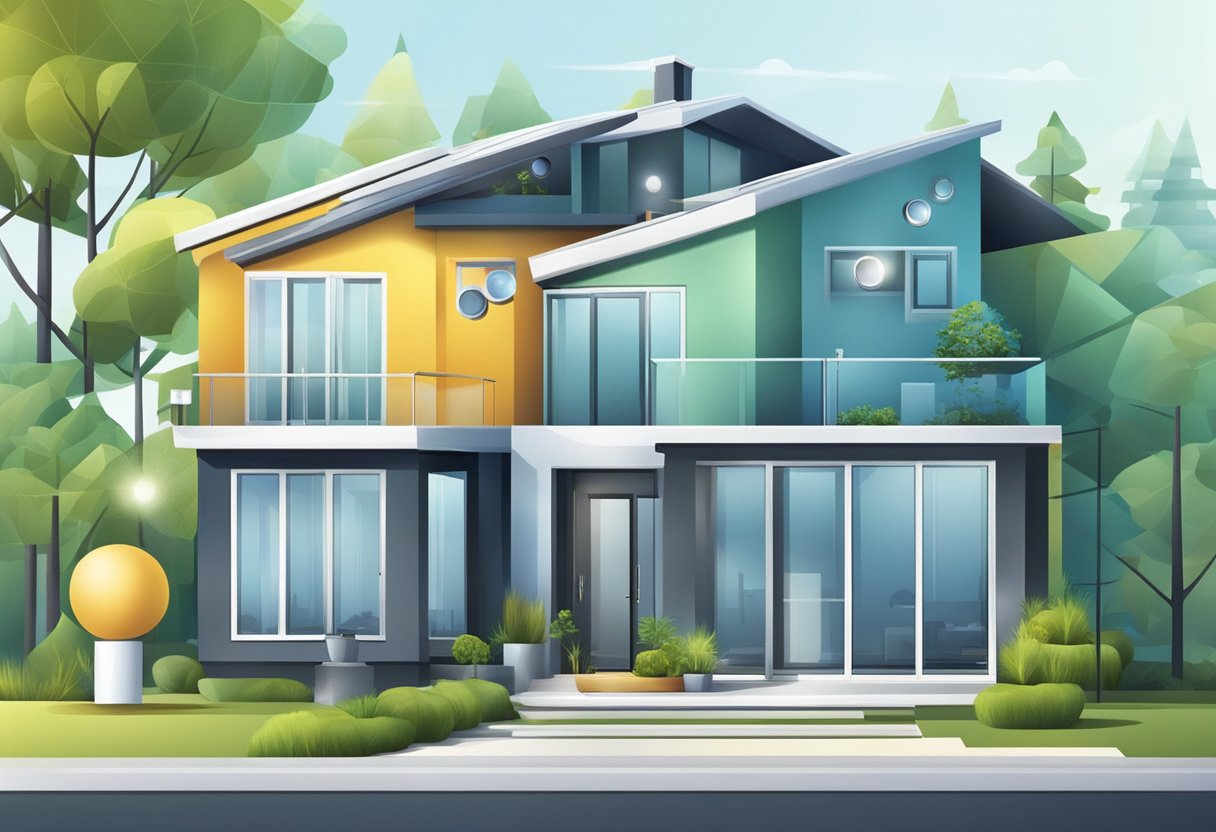
Smart homes depend on strong networking to connect various devices smoothly. Different technologies like Wi-Fi, Bluetooth, Zigbee, Z-Wave, and mesh networks play a crucial role in this connectivity. Their functions and compatibility can impact the smart home experience.
Wi-Fi and Bluetooth
Wi-Fi is vital in smart homes. It connects devices like smart speakers, cameras, and thermostats to the internet. Wi-Fi works well for streaming and transferring large amounts of data. Most homes already have Wi-Fi networks, making it easy to integrate new devices.
Bluetooth is another way devices communicate in a smart home. It uses less power than Wi-Fi and works well for close-range connections. Smart locks, speakers, and light bulbs often use Bluetooth. Both Wi-Fi and Bluetooth are widely supported, which makes them popular choices in smart homes.
Zigbee and Z-Wave
Zigbee and Z-Wave are specially designed for smart home gadgets. Both technologies send data over short distances with low power. They help devices communicate without relying on Wi-Fi networks, leading to less congestion.
Zigbee uses a mesh network system that allows devices to relay signals. This increases the range and reliability of connections. It's popular among smart home gadgets like lights and sensors due to its open standard and broad device support.
Z-Wave is also popular for its reliability and low interference. It operates on a different frequency than Wi-Fi, avoiding potential conflicts. Z-Wave networks can support many devices—up to 232—without losing performance, making it a stable choice for extensive smart home setups.
Mesh Networks
Mesh networks extend the reach of Wi-Fi across a home, ensuring every device has a strong connection. They use multiple nodes to cover large areas, eliminating dead zones common in traditional Wi-Fi setups.
These nodes communicate with each other to provide consistent coverage. As a result, users can move around the house without experiencing dropped connections. Mesh networks are advantageous for big homes or those with challenging layouts.
They also manage network traffic efficiently, offering seamless internet access across all devices. Products like Google's Nest WiFi and Amazon's Eero are popular choices, making mesh networks an attractive option for smart home enthusiasts seeking reliable connectivity.
Smart Home Security
Smart homes rely on technology to keep them safe. Encryption protects data from hackers. Strong user authentication methods ensure only authorized access. Implementing best practices can greatly enhance security.
Encryption and Data Protection
Encryption plays a crucial role in keeping smart home systems safe. It turns readable data into a coded format. This makes it hard for unauthorized users to access it. Data encryption protects sensitive info as it moves through networks.
Most smart devices use SSL/TLS for secure connections. This shields data during transfer over the internet. Homeowners should check if their devices support the latest encryption standards. End-to-end encryption ensures data privacy, as only the sender and receiver can read the message. Keeping software updated is important as updates often fix known security weaknesses.
User Authentication
User authentication ensures that only authorized individuals can access smart home systems. Common methods include passwords, fingerprint scans, and facial recognition. Using two-factor authentication (2FA) adds an extra layer of security by requiring a second form of verification.
Strong passwords are essential. They should be a mix of letters, numbers, and symbols. Avoid using easily guessed passwords like birthdays or common words. Some systems use biometric authentication, which is unique to each person. Regularly updating passwords can prevent unauthorized access. It's important to disable default passwords on new devices to reduce risk.
Security Best Practices
Adopting security best practices is essential for a safe smart home. First, regularly update all devices' software to protect against vulnerabilities. Second, use a separate network for smart devices. This isolates them from computers and smartphones, limiting exposure if hacked.
Network security can be strengthened by enabling firewall protection and changing the default router password. Monitoring device activity can help spot unusual behavior early. Finally, educate everyone in the home about security risks. Awareness helps prevent actions that might lead to breaches. Following these steps can maintain a secure and efficient smart home environment.
Energy Efficiency and Sustainability
Smart home technology plays a vital role in reducing energy consumption and promoting sustainability. By using innovative devices like smart thermostats, intelligent lighting, and home energy management systems, homeowners can save energy and lessen their environmental impact.
Smart Thermostats
Smart thermostats learn a household's heating and cooling preferences and adjust temperatures accordingly. They help save energy by automatically reducing usage when no one is home. These devices can be controlled remotely via smartphone apps, offering the ability to change settings from anywhere.
They also provide insights into energy usage and suggest ways to cut down utilities. Smart thermostats are easy to install and can connect to voice assistants for added convenience. With energy-saving modes, they represent an effective tool for managing a home's temperature efficiently and sustainably.
Intelligent Lighting
Intelligent lighting systems use sensors and timers to optimize electricity use. Lights can automatically turn off when rooms are empty, saving energy and extending bulb life. LED bulbs, which are commonly used with these systems, consume less power and last longer than traditional bulbs, making them an eco-friendly choice.
Homeowners can control lights through apps, allowing for adjustments from afar or setting schedules. Smart lighting often integrates with other smart devices for a seamless home automation experience, making homes more energy-efficient and environmentally friendly without sacrificing convenience or comfort.
Home Energy Management
Home energy management systems monitor and control energy use throughout a home. They collect data on electricity consumption, helping users identify inefficient appliances and peak usage times. With this information, homeowners can make informed decisions about energy-saving improvements.
These systems often provide real-time updates on energy use, accessible via mobile or desktop apps. Some systems include recommendations for reducing consumption or integrating renewable energy sources. Home energy management is key to efficient energy usage, offering significant opportunities for cost savings and reduced environmental footprints.
Smart Home Ecosystems and Platforms
Smart home ecosystems are designed to make everyday life easier. They allow you to control devices with simple voice commands. This section covers three leading platforms: Amazon Alexa, Google Assistant, and Apple HomeKit. Each offers unique features tailored to specific needs.
Amazon Alexa
Amazon Alexa is one of the most popular smart home platforms. It connects with a wide range of devices like lights, thermostats, and door locks. Users can control these devices using voice commands or through the Alexa app.
Alexa offers skills and routines, which are similar to apps. They enable users to perform tasks by saying a specific command. For example, saying “Good morning” can simultaneously turn on the light and read the news.
Devices from many brands are compatible with Alexa. This variety makes it easy to expand your smart home. The Echo devices, such as Echo Dot and Echo Show, serve as the hub for controlling your smart home.
Google Assistant
Google Assistant provides a seamless integration with Google's services. It supports a wide range of smart home devices. With Google Assistant, users can control devices like smart bulbs, locks, and thermostats.
Google Assistant works well with Android phones and smart displays like Google Nest Hub. It offers routines—a series of actions triggered by one command. Users can automate everyday tasks, such as adjusting lights while playing relaxing music through simple voice instructions.
One key advantage is its strong search capabilities. It answers queries with information from Google’s vast database. This makes it a versatile choice for those who use other Google services frequently.
Apple HomeKit
Apple HomeKit is designed for users within the Apple ecosystem. It provides a secure and straightforward way to control smart home devices. With HomeKit, iPhones, iPads, and Apple Watches serve as control centers.
Users can manage devices using the Home app or Siri, Apple’s voice assistant. HomeKit supports scenes—groups of actions controlled by a single command. For example, a “Movie Night” scene can dim lights and close blinds.
Security is a major focus. HomeKit uses strong encryption to ensure user data stays private. This feature is appealing to those who prioritize privacy and simplicity. Devices compatible with HomeKit ensure a smooth experience without complicated setup.
User Experience and Accessibility
Smart homes are becoming more intuitive and accommodating. Voice control, user interfaces for the elderly and disabled, and personalized systems play a significant role. They make technology more user-friendly, enhancing daily life.
Voice Control and Conversational Interfaces
Voice control systems in smart homes allow users to communicate with their devices seamlessly. These systems are often powered by AI assistants like Alexa, Google Assistant, or Siri. Individuals can use simple commands to adjust the temperature, control lights, or manage other appliances.
Conversational interfaces help users interact with these systems naturally, using everyday language. This makes technology more accessible, especially for those unfamiliar with complex controls. Hands-free operations are particularly useful in situations where physical effort is limited or when multitasking.
Moreover, voice control systems are continually improving. They are now configured to understand different accents and languages. This diversity in language recognition further opens up technology access to a broader audience. Voice feedback and confirmations ensure actions are performed correctly, enhancing trust in smart home technology.
Interfaces for the Elderly and Disabled
Smart home systems increasingly design their interfaces with the elderly and disabled in mind. These interfaces need to be simple and intuitive. Large icons, clear displays, and easy navigation are essential features.
Smart home devices often include voice-activated controls, reducing the need for physical manipulation. For those with visual impairments, screen readers and audio outputs provide crucial support.
Additionally, sensors and automation play a significant role in providing safety and convenience. For example, motion sensors can turn on lights automatically, preventing falls during the night. Systems can also monitor activities and send alerts if any issues arise, offering greater independence and peace of mind.
Personalization and Adaptive Systems
Personalization in smart homes means systems are tailored to individual preferences. These systems learn users’ habits over time, adjusting settings like lighting and temperature for comfort.
Machine learning allows devices to adapt and improve user experience continuously. For instance, smart thermostats adjust temperatures based on past behaviors and forecasted weather conditions.
Adaptive systems provide reminders and suggestions based on routines, like reminding users to lock the door or adjust lighting for bedtime. By focusing on individual needs, smart homes offer a customized living experience that enhances convenience and comfort for everyone.
Implementation and Installation
Setting up a smart home involves various ways to introduce technology into a living space. People can choose DIY projects or hire professionals for a full automation service. Each method has its benefits and considerations, especially when updating older homes.
DIY Smart Home Projects
DIY projects offer a hands-on way to start building a smart home. People can control costs and choose compatible devices like smart lights, thermostats, and speakers.
Wireless systems make installation easier. Some require just plugging in devices and connecting them to Wi-Fi. Apps are available for smartphones to manage these devices.
Common challenges include making sure devices are compatible and securing the network. Researching well-known brands and reading online reviews can help avoid these issues.
Professional Home Automation Services
Professional services provide a more complete setup for smart homes. Experts design systems that include lighting, heating, security, and entertainment.
They assess the home's layout and recommend the best solutions for seamless integration. This ensures that all parts work together effectively.
The installation includes configuring networks, hiding cables, and installing control panels. This option saves time and reduces the stress of troubleshooting.
Considerations for Retrofitting
Retrofitting older homes for smart tech presents unique challenges. Older buildings may not have the wiring or infrastructure needed for some modern systems.
Consider focusing on wireless solutions, as they are easier to install without major renovations. Battery-operated devices or Wi-Fi-connected products can bypass wiring issues.
It's important to check the building's compatibility first to avoid unexpected complications. Consulting professionals for an assessment can provide valuable guidance on what is possible.
Trends and Future Directions
As smart homes evolve, several trends are emerging. Artificial intelligence enhances daily routines, integrated health monitoring supports well-being, and smart cities improve urban living through connected technologies.
Artificial Intelligence and Machine Learning
Artificial intelligence (AI) and machine learning are key components in smart home technology. They enable devices to learn user preferences. For example, thermostats adjust to a person’s schedule, helping save energy. AI voice assistants can recognize different voices in a household. This allows for personalized responses and actions.
Through AI, security systems become smarter. They can distinguish between normal activity and potential threats. This reduces false alarms and increases safety. Machine learning helps improve the performance of devices over time, making homes more efficient and tailored to the user’s lifestyle.
Integrated Health Monitoring
Integrated health monitoring in smart homes is creating new ways to support people’s health. Devices track vital signs like heart rate and blood pressure. This helps in early detection of health issues. Through data collection, users and doctors gain valuable insights.
Smart mirrors and fitness equipment guide exercise routines, promoting a healthy lifestyle. Sleep trackers analyze patterns to suggest improvements in sleep quality. These technologies make it easier for individuals to manage their well-being. They adapt to personal health needs, offering customized suggestions and alerts when attention is needed.
Smart Cities and Urban Development
Smart cities are becoming more common as urban areas adopt technology. Smart homes connect to wider networks, enhancing city living. Public services, like transportation, become more efficient. With smart grid technology, energy consumption is optimized, saving resources.
Traffic systems use sensors to reduce congestion and improve air quality. This benefits residents by shortening travel times and lowering pollution. Smart lighting makes streets safer and more energy-efficient. Smart waste management systems help keep cities clean. Connectivity between homes and city infrastructure transforms how people experience urban life, making it more convenient and responsive.
Frequently Asked Questions
The world of smart homes can seem overwhelming at first. This section answers common questions to help understand the key benefits and features of smart home technology.
What devices are essential for a basic smart home setup?
For a basic setup, consider smart lighting, a thermostat, a security camera, and a smart speaker. These devices form the backbone of most smart homes.
How do smart home automation systems enhance home security?
Smart systems can include motion detectors, doorbell cameras, and alarms. These devices allow homeowners to monitor and control their homes remotely, providing increased security and peace of mind.
What are the primary benefits of integrating smart home technology?
Smart home technology offers convenience, energy savings, and enhanced security. Automation of daily tasks can lead to increased comfort and efficiency at home.
How do I choose the best smart home system for my needs?
Consider compatibility with existing devices, ease of use, and specific features needed. It's important to select a system that fits both your lifestyle and budget.
Can smart home devices be operated through voice commands?
Many smart home devices are designed to work with voice assistants like Alexa, Google Assistant, or Siri. This feature provides hands-free control, making interactions simpler.
What are the ongoing costs associated with maintaining a smart home?
Ongoing costs may include subscription fees for certain services and occasional updates or upgrades to equipment. Energy savings from efficient devices can help offset some of these expenses.
No comments:
Post a Comment