
Color Smart Bulbs: Setting the Mood with Automated Lighting
Color smart bulbs have transformed how individuals approach their home lighting. They offer more than just illumination; they allow the personalization of atmosphere to suit any occasion. These innovative bulbs enable users to adjust brightness and color, creating the perfect mood for relaxation, celebration, or productivity.
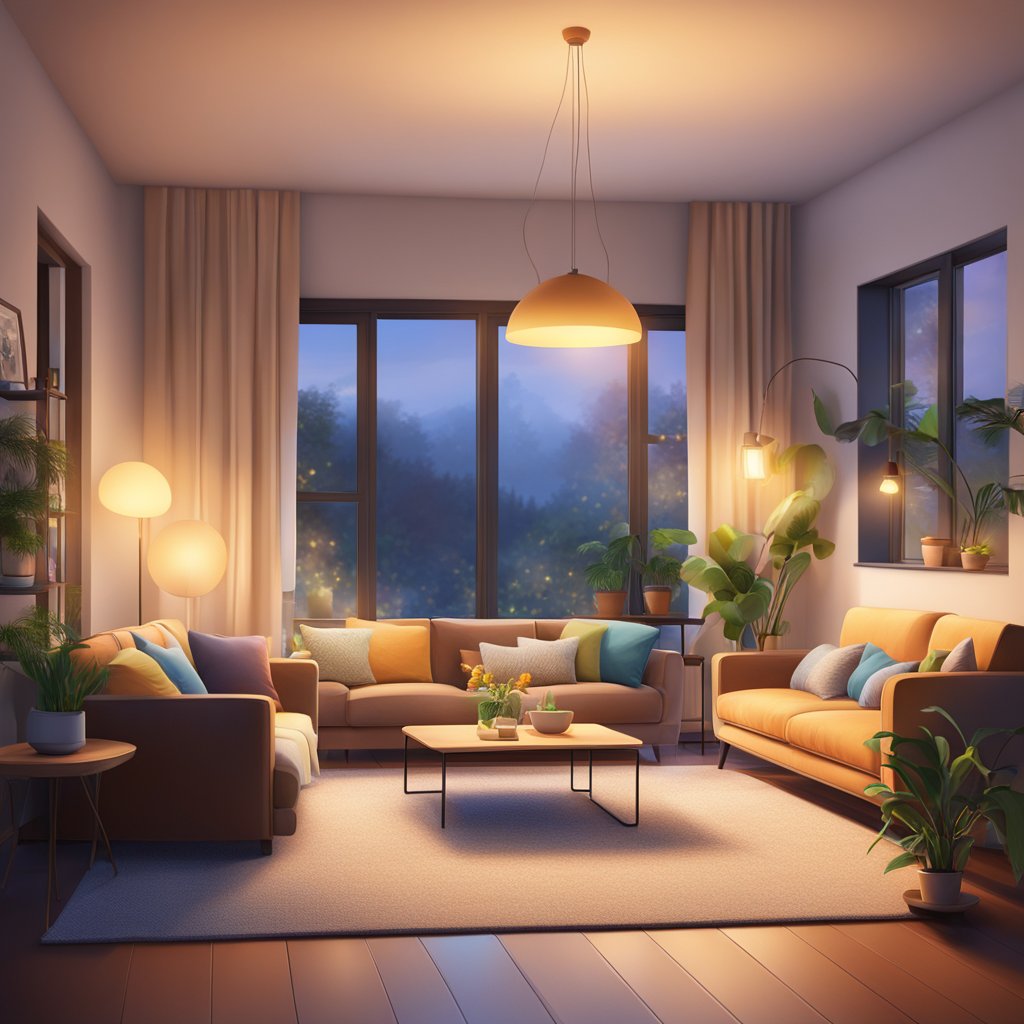
With the ability to control lighting through smartphone apps or voice commands, convenience has reached new heights. Users can explore a spectrum of colors and preset themes, making it easy to switch from a calm blue for unwinding to a vibrant red for a lively gathering. Automation integration allows lighting to adapt to daily routines or events effortlessly.
Moreover, color-smart bulbs can contribute to energy efficiency, making them a practical choice for modern homes. Users can reduce energy consumption by choosing the right settings while enjoying an enhanced ambiance. This combination of functionality and flexibility makes color-smart bulbs a noteworthy investment for anyone looking to elevate their living spaces.
Exploring the Basics of Color Smart Bulbs
Color smart bulbs have transformed modern lighting solutions by offering enhanced customization and control. These devices allow users to adjust the brightness and color of their lighting, enabling a wide array of moods and atmospheres.
Definition and Functionality
Color smart bulbs are advanced lighting fixtures that connect to home networks, often via Wi-Fi or Bluetooth. They can be controlled through mobile apps, voice commands, or smart home systems. A key feature is the ability to change colors and adjust brightness precisely.
These bulbs usually use LED technology, which is energy-efficient and long-lasting. Users can choose from millions of colors and various white tones, making it possible to create tailored lighting for any occasion. Each bulb can be programmed for specific schedules and scenes, enhancing convenience.
Benefits of Using Smart Bulbs
Utilizing color-smart bulbs offers several distinct advantages.
Energy Efficiency: Smart bulbs consume less energy than traditional incandescent bulbs, leading to lower electricity bills.
Customization: Users can select colors that suit their preferences, whether for relaxation, focus, or celebration.
Automation: Scheduling features allow lights to turn on or off at specific times, improving home security and convenience.
Integration: These bulbs can integrate with other smart devices, providing a seamless home experience.
Combining these benefits contributes to a growing trend in home automation and personalized living spaces.
The Technology Behind Smart Bulbs
Smart bulbs incorporate advanced technology to provide customizable lighting experiences. Key components include connectivity protocols that enable communication and color-changing mechanisms that create various lighting effects.
Connectivity Protocols
Smart bulbs typically utilize various connectivity protocols to communicate with smart devices. The most common protocols include:
- Wi-Fi offers a direct internet connection without the need for extra hubs. This allows for remote access and control via smartphone apps.
- Bluetooth: Enables easy pairing with nearby devices, ideal for users who prefer localized control.
- Zigbee and Z-Wave: These low-energy protocols create mesh networks, allowing bulbs to communicate efficiently with other smart devices.
Each protocol has its pros and cons, with Wi-Fi providing a broader range and Z-Wave offering energy efficiency and better performance in large networks.
Color Changing Mechanisms
Color-changing mechanisms in smart bulbs are primarily based on LED technology, which allows for dynamic hue adjustments through:
- RGB (Red, Green, Blue) LEDs: By mixing these three primary colors, smart bulbs can produce millions of color variations.
- White Light Options: Many models also include tunable white light, allowing users to adjust the color temperature from warm to cool tones.
These mechanisms enable personalized lighting experiences. Advanced models support app-based control for seamless transitions between colors and modes, enhancing the ambiance of any space.
Setting Up Your Smart Lighting System
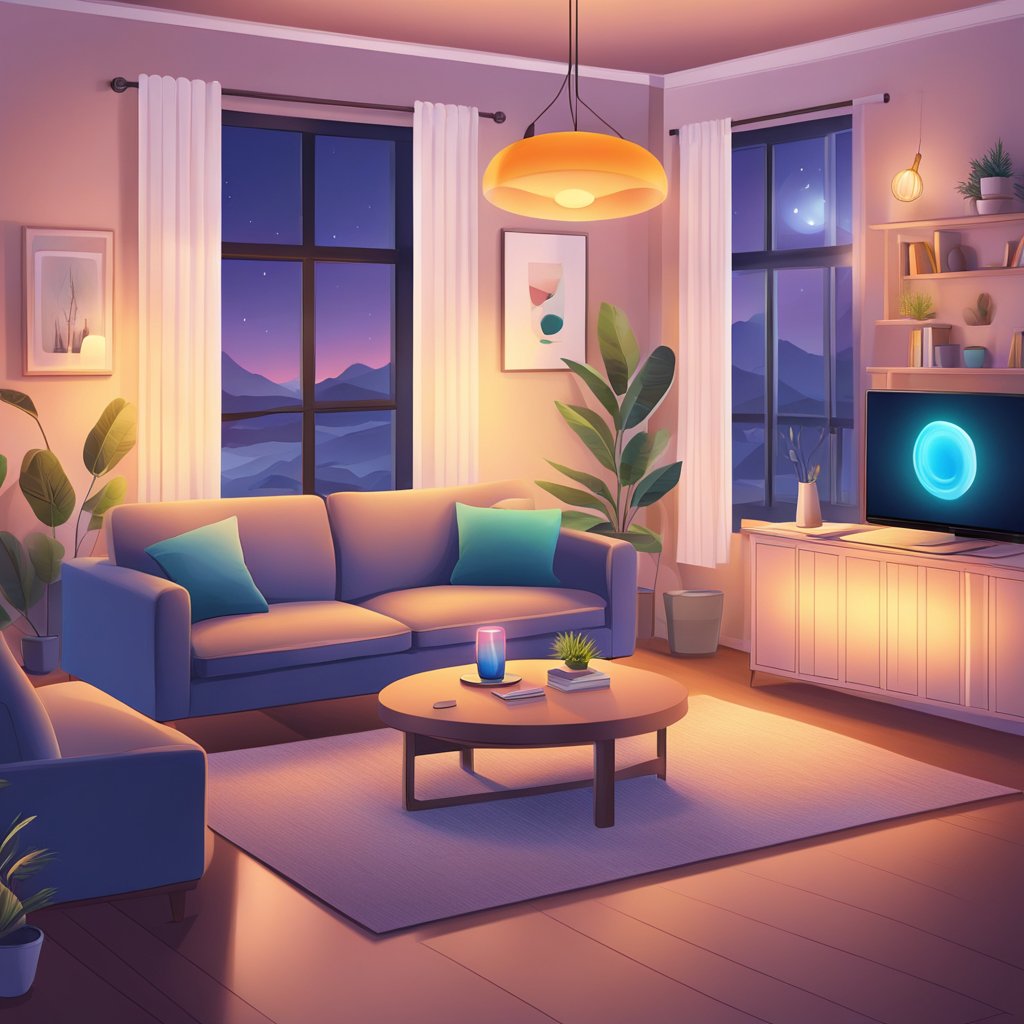
Setting up a smart lighting system involves careful installation and integration into existing smart home ecosystems. This ensures optimal functionality and convenience for the user.
Installation Process
To begin the installation, the user should first choose suitable smart bulbs. The bulbs must be compatible with existing light fixtures and source power.
The next step is to remove old bulbs and insert the smart bulbs securely. This may vary based on bulb type, such as LED or incandescent, but most installations can be done manually.
Once the bulbs are in place, users should download the manufacturer's app. Connecting the bulbs to home Wi-Fi networks follows this step, typically requiring scanning a QR code or entering a Wi-Fi password.
Finally, users should ensure that firmware updates are installed for maximum performance. This enhances connectivity and introduces new features as they become available.
Integration with Smart Home Ecosystems
Integrating smart bulbs into existing ecosystems can streamline control and automation. Most bulbs work with platforms like Google Assistant, Amazon Alexa, or Apple HomeKit.
Users typically enable the relevant skill or action in their smart home app to integrate. This may require linking the bulb’s app to the smart home platform, allowing for voice control and automation routines.
Creating lighting scenes based on activities or times of day can enhance the system's utility. For example, users may want dim lighting for movie nights or bright lights for reading sessions.
Additionally, scheduling features allow users to automate lighting changes throughout the day. This can improve energy efficiency and increase convenience, especially for homes with multiple occupants.
How to Control Your Smart Bulbs
Smart bulbs offer versatile control options, enhancing user experience and convenience. Users can manage these lights through mobile applications and voice-activated devices, ensuring seamless integration into their smart homes.
Mobile Apps and Features
Most smart bulbs come with dedicated mobile applications that provide comprehensive control. These apps typically allow users to adjust brightness, change colors, and set schedules.
Key features often include:
- Customizable scenes for different moods or occasions
- Remote access to control lights from anywhere
- Energy monitoring to track usage
Users can also create automation routines, such as timers or triggers based on time or events. Many apps support integration with other smart home devices, making it easy to control lighting based on actions like opening a door or arriving home.
Voice Assistants and Automation
Smart bulbs are compatible with major voice assistants, such as Amazon Alexa, Google Assistant, and Apple Siri. Users can turn lights on or off, adjust settings, or change colors using simple voice commands.
Examples of commands include:
- “Turn on the living room lights.”
- “Set the bedroom lights to blu.e”
Automation features allow users to create routines based on specific time frames or conditions. For instance, lights can automatically turn on at sunset or switch off when the user leaves home. This level of integration enhances convenience and energy savings for the user.
Creating Ambience with Color Smart Bulbs
Color smart bulbs offer versatile lighting options that can significantly transform a space. They allow users to customize light colors and intensities to create moods suited to various activities and settings.
Mood Lighting Scenarios
Different moments require distinct lighting atmospheres. Color smart bulbs excel in tailoring mood lighting for various occasions:
- Relaxing Evenings: Soft blues and greens promote calm, while a mid-range brightness offers comfort.
- Dinner Parties: Warm whites or subtle reds create an inviting environment, enhancing social interactions.
- Home Cinema: Darker hues like deep purple can enhance the cinematic experience, providing a cozy backdrop.
- Creative Workspaces: Bright yellows and cooler tones stimulate focus and creativity, which are ideal for productive tasks.
These scenarios can be adjusted with simple commands through smart home devices, allowing for quick transitions in ambiance.
Color Psychology in Lighting
Color psychology plays a critical role in how space is perceived and experienced. Different colors evoke specific feelings:
- Blue: Instills tranquility and is often used in bedrooms or meditation spaces.
- Red: Conveys energy and passion, perfect for social settings or workout areas.
- Green: Associated with nature, it promotes healing and relaxation, making it suitable for living areas.
- Yellow: Invokes cheerfulness and optimism, encouraging creativity and positivity in workspaces.
Understanding these psychological effects allows for informed color selection, which can significantly enhance comfort and productivity within the home.
Energy Efficiency and Cost Savings
Smart bulbs provide significant energy savings compared to traditional lighting options. Understanding the differences can help consumers make informed choices that lead to reduced energy consumption and lower electricity bills.
Comparing Traditional and Smart Bulbs
Traditional incandescent bulbs convert only about 10% of their energy into light, with the rest lost as heat. In contrast, LED smart bulbs use approximately 80% less energy while producing the same light. For example, a 60-watt incandescent bulb can be replaced with a 10-watt LED bulb without compromising brightness.
In terms of lifespan, smart bulbs typically last between 15,000 and 50,000 hours compared to only 1,000 hours for incandescent bulbs. This drastic difference means fewer replacements and lower environmental impact due to reduced waste.
Long-Term Financial Benefits
An investment in smart bulbs may lead to substantial savings over time. While the initial purchase price is higher—average smart bulb costs range from $15 to $50—their energy efficiency offsets this.
For example, replacing ten 60-watt bulbs with ten 10-watt smart bulbs can save about $180 in energy costs over a year based on average usage and pricing.
Moreover, smart bulbs' long lifespan reduces replacement costs. Fewer bulb purchases mean lower long-term expenditure on lighting, making smart bulbs a financially savvy choice and offering enhanced features.
Maintenance and Troubleshooting
Regular maintenance ensures that color smart bulbs function optimally. Troubleshooting common issues can help identify and solve problems effectively.
Common Issues and Solutions
1. Connectivity Problems
Smart bulbs may lose connection to the Wi-Fi network. Restarting the router often resolves this issue. If problems persist, check the app for updates or reset the bulb according to the manufacturer's instructions.
2. Color Inconsistencies
When color settings appear off, it might be due to firmware issues. Updating the bulb’s firmware via the app can rectify this. Resetting the bulb can also restore factory settings and correct any discrepancies.
3. Dimming and Flickering
Dimming or flickering can occur if the bulb is incompatible with existing dimmer switches. Switching to a compatible dimmer or using the bulb's app to adjust settings can be effective solutions.
4. App Malfunctions
If the associated app fails to respond, clearing or reinstalling the app's cache may resolve the issue. Ensuring the smartphone's operating system is current can also help maintain functionality.
Future Trends in Smart Lighting
The landscape of smart lighting is evolving rapidly, driven by technological advancements and user demand. Innovations include enhanced integration, AI capabilities, and energy efficiency improvements.
Innovations on the Horizon
Smart lighting is set to become more intuitive. Enhanced sensors and AI integration will allow lights to adapt automatically to user behavior and preferences. For instance, lights may change color and intensity based on the time of day or activity.
IoT connectivity will improve interoperability among devices, enabling seamless communication between smart bulbs and other smart home products. Users could control lighting through voice commands or mobile applications, promoting convenience.
Sustainability is another focus. New energy-efficient technologies, such as LED advancements, will reduce electricity consumption. Future smart bulbs will increasingly support renewable energy sources, further contributing to environmental sustainability.
Affiliate Disclaimer: This article contains
affiliate links, meaning I may earn a commission if you click through and make
a purchase at no extra cost.
No comments:
Post a Comment