
Top Robot Vacuums with Smart Home Integration
Smart home technology has transformed daily living, making tasks more efficient and convenient. Among these innovations, robot vacuums stand out for their ability to clean autonomously while integrating seamlessly with various smart home systems. The top robot vacuums with smart home integration simplify household chores and enhance overall home management.

These devices can be controlled through mobile apps, voice commands, or automation routines, adding convenience to any home environment. With features like customizable cleaning schedules and integration with platforms like Google Assistant or Amazon Alexa, users can maintain a clean living space without lifting a finger.
As the demand for smart technologies continues to rise, the latest robot vacuums are designed to meet the evolving needs of tech-savvy homeowners. Individuals can choose the perfect cleaning companion for their lifestyles by considering options that offer robust smart home functionality.
Benefits of Smart Home-Integrated Robot Vacuums
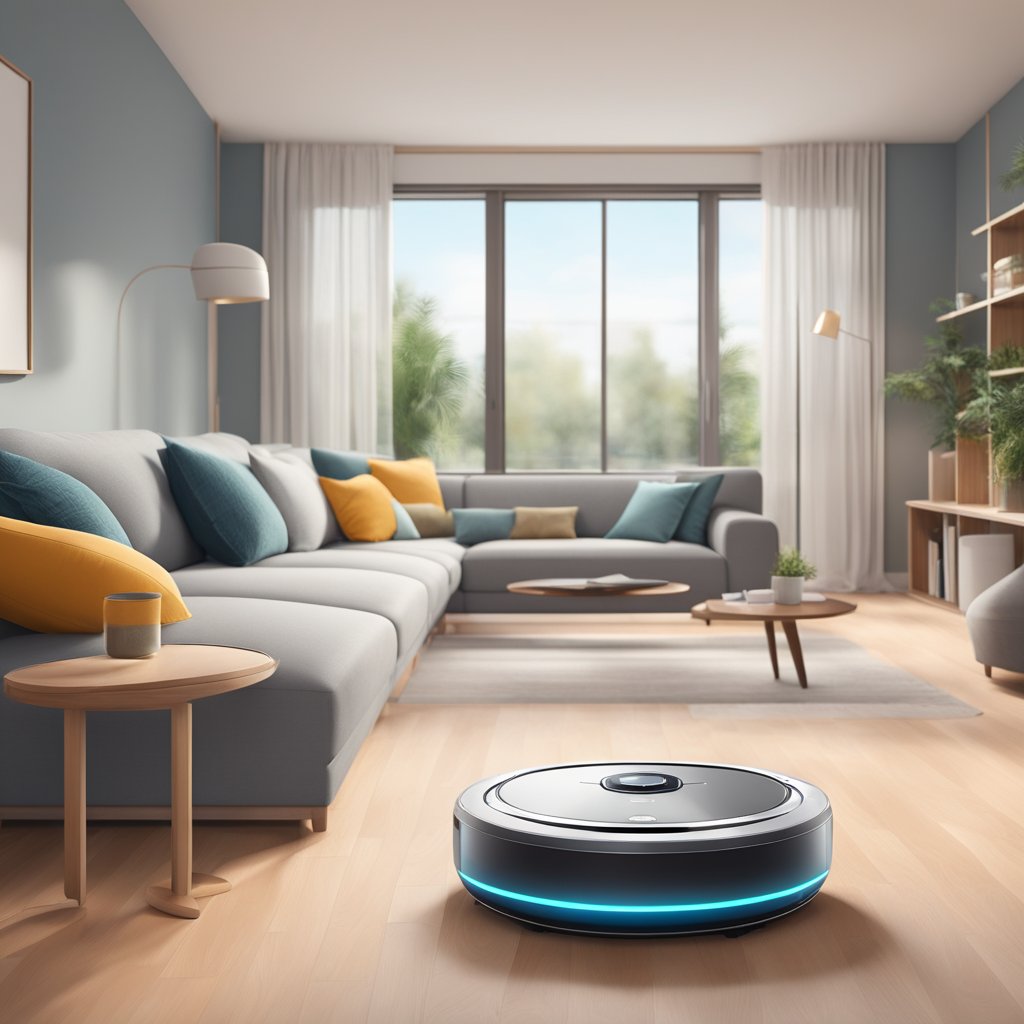
Smart home-integrated robot vacuums offer several advantages that enhance their functionality and user experience.
1. Remote Control:
Users can operate these vacuums via smartphone apps. This function allows for easy scheduling and control from anywhere.
2. Voice Command Compatibility:
Many robot vacuums support voice commands through virtual assistants like Amazon Alexa or Google Assistant. This hands-free operation simplifies cleaning routines.
3. Customizable Cleaning:
Smart vacuums can be programmed to clean specific rooms or areas. Users can set preferences for different flooring types or dirt levels.
4. Automated Scheduling:
Users can set specific times for the vacuum to clean. This ensures that cleaning occurs even when no one is home.
5. Maintenance Notifications:
Smart vacuums send alerts regarding maintenance needs. This feature helps users keep their devices in optimal condition.
6. Integration with Other Smart Devices:
These vacuums can work with smart home ecosystems. This includes compatibility with security systems, smart lights, and energy-efficient devices.
7. Efficient Mapping:
Advanced models utilize sensors and cameras to create detailed maps of the home. This improves navigation and cleaning efficiency.
Smart home integration enhances the functionality of robot vacuums. Users benefit from convenience, efficiency, and customization tailored to their needs.
Criteria for Selecting a Robot Vacuum with Smart Home Capabilities
Several factors play a crucial role when selecting a robot vacuum that integrates with smart home systems. Compatibility, automation features, and connectivity options are essential aspects that affect the overall user experience and functionality.
Compatibility with Smart Home Ecosystems
Compatibility is vital for ensuring a seamless integration of the robot vacuum with existing smart home devices. Popular ecosystems include Amazon Alexa, Google Assistant, and Apple HomeKit.
When evaluating compatibility, users should check:
- Voice Control: Can it respond to voice commands?
- App Support: Does it have a dedicated app that is compatible with the smart home system?
- Multidevice Functionality: Can it work alongside other smart devices, like lights and thermostats?
A product that supports these features enhances versatility and convenience in daily use.
Automation Features
Automation features improve efficiency and streamline cleaning tasks. Users should look for vacuums that offer customizable scheduling, enabling automatic cleaning at preferred times.
Key automation elements include:
- Zone Cleaning: Ability to designate specific areas for cleaning.
- No-Go Zones: Setting boundaries to prevent the vacuum from entering certain spaces.
- Integration with Routines: Ability to trigger vacuum actions as part of broader smart home routines.
These functions provide users with greater control and flexibility in managing home cleaning.
Connectivity and Control Options
Robust connectivity options ensure the robot vacuum operates smoothly within a smart home environment. Wi-Fi connectivity is essential for remote control and monitoring.
Consider the following aspects:
- App Interface: Is the mobile app user-friendly and responsive?
- Update Support: Does the vacuum receive regular firmware updates for new features?
- Remote Access: Can the user operate the vacuum from anywhere?
A vacuum with strong connectivity features allows for enhanced user interaction and increased functionality.
Top Robot Vacuum Brands for Smart Home Integration
Several brands lead the way in robot vacuums that integrate with smart home systems. These brands enhance convenience by allowing users to control their devices through voice commands and mobile applications. Here are the key players in this space.
iRobot Roomba
iRobot Roomba stands as a pioneer in the robot vacuum industry. The Roomba line offers extensive smart home integration capabilities, allowing users to connect via Wi-Fi and control the vacuum through the iRobot Home app.
Key features include:
- Voice Control: Compatible with Amazon Alexa and Google Assistant.
- Custom Schedules: Users can set cleaning schedules and customize cleaning preferences.
- Smart Mapping: Advanced models use mapping technology to learn home layouts and clean efficiently.
With regular software updates, iRobot ensures compatibility with new smart home devices.
Neato Robotics
Neato Robotics focuses on advanced cleaning technology and smart home integration. Their D-shaped vacuums are designed for effective edge cleaning and have features that enhance functionality.
Significant aspects include:
- Compatible with Smart Home Systems: Works with Apple HomeKit, Google Assistant, and Alexa.
- Laser Smart Mapping: This offers precise room mapping and scheduling.
- Zone Cleaning Options: Users can direct the vacuum to clean specific areas as needed.
Neato’s focus on user-friendly tech makes it a reliable choice for smart home integration.
Eufy RoboVac
Eufy RoboVac is known for its affordability without sacrificing quality. It offers solid smart home features suited for various household needs.
Noteworthy characteristics include:
- Integration: Compatible with Amazon Alexa and Google Assistant for voice control.
- Slim Design: Easily navigates under furniture and in tight spaces.
- Schedule Cleaning: Users can set cleaning schedules via the EufyHome app.
Eufy RoboVac combines performance with user-friendly technology to cater to budget-conscious consumers.
Ecovacs Deebot
Ecovacs Deebot models offer robust functionality combined with smart home capabilities. They provide versatility in cleaning modes to suit different floor types.
Key features include:
- Smart Home Compatibility: Works with Amazon Alexa and Google Assistant.
- App Control: Users can monitor cleaning sessions and set schedules through the Ecovacs app.
- Advanced Navigation: Laser navigation is employed for systematic cleaning paths.
Ecovacs continues to innovate with features to enhance user experience in smart homes.
Roborock
Roborock has gained popularity for its high-performance robot vacuums that integrate well into smart ecosystems. The brand emphasizes advanced navigation and powerful suction.
Essential features consist of:
- Voice Assistance: Fully compatible with Alexa and Google Assistant.
- Multi-Functionality: Some models offer both vacuuming and mopping capabilities.
- Smart Mapping Technology: Allows for efficient cleaning paths and customizable zones.
Roborock's strong build quality and innovative features make it a top choice for those seeking effective smart home integration.
Setting Up Your Robot Vacuum for Smart Home Integration
Integrating a robot vacuum with smart home systems enhances automation and convenience. The setup involves several key processes, from initial installation to resolving any connectivity issues.
Installation Process
Begin by unboxing the robot vacuum and ensuring all components are present, including the charger, virtual barriers, and filters. To facilitate docking, place the charging dock against a wall, ideally in an open area.
Plug the dock into a power outlet and ensure it’s securely connected.
Next, charge the vacuum fully before first use. This may take a few hours. Once charged, power it on, ensuring it’s ready for the next configuration steps.
Configuring Smart Home Connections
To connect the vacuum to a smart home system, users typically need a compatible app, often provided by the manufacturer. Download the app from your device’s app store and create an account if necessary.
Follow the app's instructions to connect the vacuum to Wi-Fi. Most devices require a 2.4 GHz network, so check your router settings.
Once connected, link the app to your preferred smart home platform, such as Amazon Alexa or Google Assistant. This allows for voice commands and automation routines.
Troubleshooting Common Issues
Occasionally, users may encounter issues during setup. If the vacuum fails to connect to Wi-Fi, ensure the router functions correctly and within range. Restarting both the vacuum and the router can resolve many connectivity problems.
If the app doesn’t recognize the vacuum, check for software updates. Outdated firmware may hinder smart home integration.
For persistent issues, consult the user manual or the manufacturer’s customer support for further assistance. Clear communication of the problem will help diagnose and resolve issues effectively.
Comparing the Top Features of Smart Robot Vacuums
The most significant features that distinguish smart robot vacuums include suction power and cleaning efficiency, battery life and recharging capabilities, and advanced navigation and mapping technology. Each characteristic plays a critical role in determining these devices' effectiveness and user experience.
Suction Power and Cleaning Efficiency
Suction power directly impacts a robot vacuum’s ability to pick up dirt, debris, and pet hair. Most high-end models offer adjustable suction settings, allowing users to select the right power for various surfaces.
Key factors include:
- Motor Power: Typically measured in pascals (Pa), higher values indicate stronger suction.
- Brush Design: Multi-surface brushes are more effective on different floor types.
Cleaning efficiency is also crucial, measured by coverage area and room cleaning time. Some models can clean up to 2,000 square feet in one charge.
Battery Life and Recharging
Battery life varies significantly among robot vacuums. A longer battery life ensures more extended cleaning sessions without interruptions.
Battery life aspects include:
- Run Time: Ranges between 60 to 180 minutes, depending on the model and power setting used.
- Recharge Time: Models differ; some take as little as 3 hours to recharge fully.
Smart vacuums recharge automatically and return to their docking stations. This feature allows for uninterrupted cleaning; they can resume work seamlessly after recharging.
Navigation and Mapping Technology
Advanced navigation is essential for efficient cleaning, allowing robots to avoid obstacles and cover all intended areas.
Key technologies include:
- LIDAR Navigation: Uses lasers to create precise maps of the environment.
- Visual Navigation: This employs cameras to recognize layouts and obstacles.
Some models also offer virtual boundaries through smartphone apps, preventing the vacuum from entering certain areas. This technology enhances user control and optimizes cleaning paths for better coverage.
Understanding User Privacy and Data Security
Consumer privacy and data security concerns are critical when integrating robot vacuums into smart home systems. Consumers must be aware of data collection practices and the measures taken to secure connected devices.
Data Collection Practices
Robot vacuums often gather various types of data to function effectively. These include navigation data, which maps the home layout, and user preferences, which tailor the cleaning schedules.
Many models require access to users' Wi-Fi networks, potentially enabling additional information collection from other connected devices. Manufacturers typically disclose data collection methods in their privacy policies, and users should review these documents to understand what personal data is being collected.
Consumers must know how their information is used. Some companies may share data with third parties for marketing or improvement purposes. Users should consider options for data sharing and control settings within the device’s app.
Ensuring the Security of Connected Devices
Securing connected devices is vital to protect user data. Manufacturers implement several measures to enhance security. Common practices include encryption technology to safeguard communication between the vacuum and the smartphone app.
Users are encouraged to update their device firmware. Updates often address security vulnerabilities that could be exploited. Network security is also important; strong, unique passwords for the home Wi-Fi network can prevent unauthorized access.
Additionally, some devices offer two-factor authentication for extra security. Users should enable this feature if it is available. Understanding and implementing these security measures can significantly reduce risks associated with data breaches.
Maintenance and Care for Long-Term Performance
Maintaining a robot vacuum is essential for ensuring its efficient operation over time. Regular cleaning and managing software updates can significantly extend the device's lifespan and performance.
Regular Cleaning and Replacement Schedules
Routine cleaning of a robot vacuum includes emptying the dustbin after each use. Depending on usage, it is advisable to clean the filters every 1-2 months. Filters can become clogged, affecting suction power.
Brushes should be checked every few weeks for hair and debris. Regularly removing entangled hair will prevent strain on the motor. Replacing the side brushes and main brush every 6-12 months will help maintain peak cleaning performance.
Establishing a replacement schedule for consumable parts can be tracked using a calendar or reminder app. This proactive approach ensures that the vacuum operates smoothly and efficiently.
Managing Software Updates and Bug Fixes
Most robot vacuums operate with software that improves functionality and fixes bugs. If the option is available, users should enable automatic updates. This ensures that the device runs the latest improvements without manual intervention.
Occasionally, users may need to check the manufacturer’s website or app for updates. Reading the release notes can provide insight into new features or enhancements that may benefit performance.
If problems arise, resetting the device or reinstalling the application can resolve the issues. Regularly managing software helps the vacuum adapt to new smart home technologies and enhances overall usability.
Cost vs. Value: Assessing Your Investment
Cost and value are crucial factors when evaluating robot vacuums. The price of these devices can range significantly, often reflecting features, brand reputation, and technology.
Average Price Ranges:
- Budget Models: $150 - $300
- Mid-Range Models: $300 - $600
- High-End Models: $600 - $1,200+
Higher prices often correlate with advanced features like smart home integration, mapping technology, and stronger suction. Buyers should consider what features are essential for their needs.
Value Considerations:
- Efficiency: Robot vacuums save time and effort.
- Maintenance Costs: Check replacement parts and maintenance needs.
- Longevity: A more durable vacuum may justify a higher initial cost.
Investing in a quality model may lead to better long-term results. Budget-conscious buyers should weigh the frequency of usage against the features offered.
Smart home compatibility can enhance convenience, potentially increasing the vacuum’s value. Features like scheduling, remote control, and integration with other devices may lead to a more cohesive smart home experience.
Ultimately, assessing cost versus value requires individual reflection on needs and usage patterns. Understanding the specific benefits of each model can guide thoughtful purchasing decisions.
User Reviews and Testimonials
User reviews provide valuable insights into the performance of robot vacuums with smart home integration. Many users appreciate the convenience and efficiency these devices offer.
A common positive comment relates to the ease of integrating smart home systems. Users find controlling their robot vacuums through voice commands or mobile apps beneficial. This feature enhances convenience, especially for busy households.
Highlighted Reviews:
- User A: “The ability to schedule cleanings via my phone has changed my daily routine for the better.”
- User B: “It works seamlessly with my smart home system, and I can ask my assistant to start it while I’m away.”
Some users express concerns about navigation. A few have noted that robot vacuums occasionally struggle with complex layouts or obstacles.
Common Concerns:
- User C: “It gets stuck on certain furniture, which can be frustrating.”
- User D: “Learning the best performance zones in my home takes time.”
Overall, feedback on battery life and suction power varies. While many users report satisfactory performance, others note that higher-pile carpets can present challenges.
In summary, robot vacuums with smart home integration receive mixed reviews. User experiences range from high satisfaction to minor inconveniences.
Affiliate Disclaimer: This article contains
affiliate links, meaning I may earn a commission if you click through and make
a purchase at no extra cost.
No comments:
Post a Comment