
7 Essential Smart Home Safety Features for Modern Homes You Need to Consider
Smart home technology has revolutionized how people secure their living spaces. Integrating various safety features not only enhances comfort but also provides peace of mind. Recognizing the essential smart home safety features can help homeowners make informed decisions to protect their families and properties.
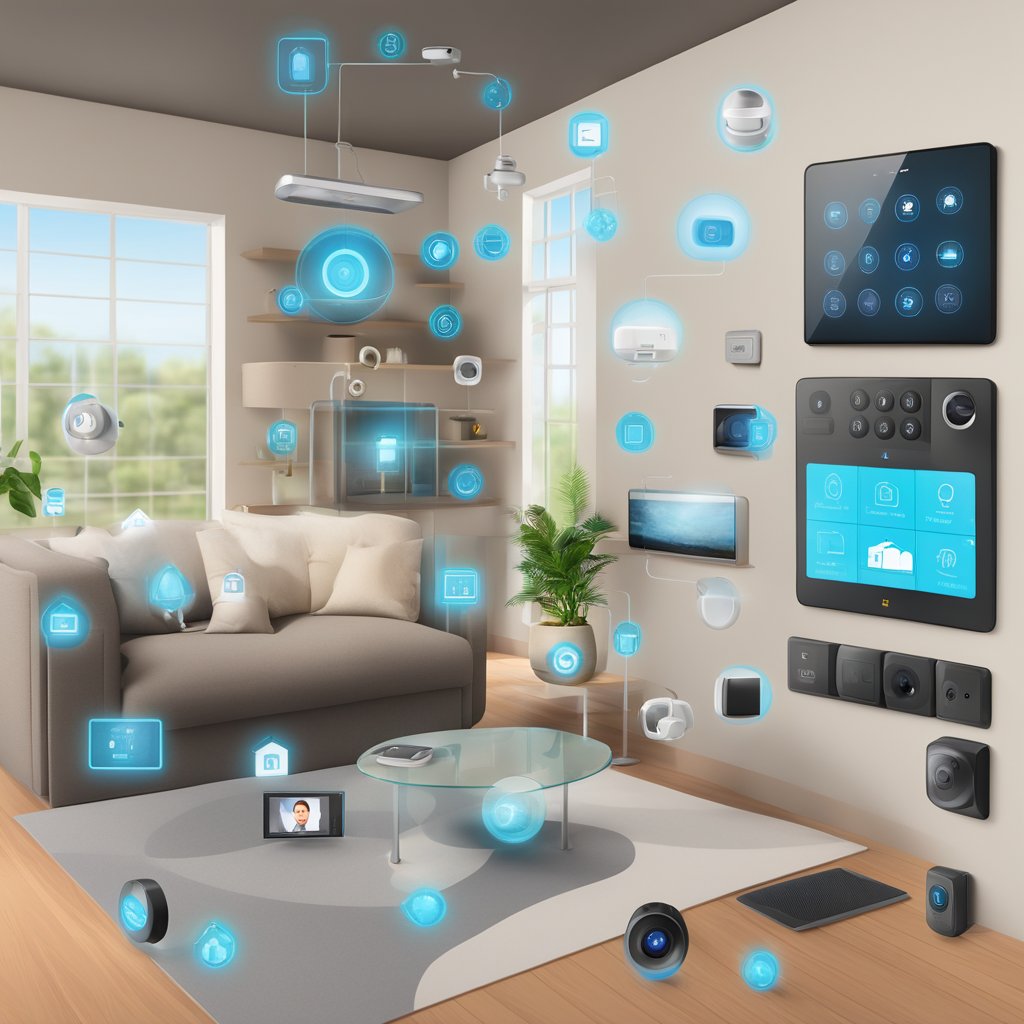
In today's world, where connectivity is paramount, smart devices play a crucial role in monitoring and safeguarding homes. With advancements in technology, these features have become more accessible and user-friendly, making home security not only effective but also convenient. From intelligent surveillance systems to smart alarms, understanding these tools is vital for a secure home environment.
As homeowners explore ways to enhance safety, identifying the most critical features serves as a useful guide. The integration of these technologies can lead to a comprehensive system that ensures both convenience and security. By investing in the right smart home safety features, individuals can significantly mitigate risks associated with modern living.
Understanding Smart Home Safety
Smart home safety is crucial in the modern environment as homes become more connected. As technology evolves, both the threats and security measures must adapt to ensure comprehensive safety in smart homes.
Evolving Threats and Smart Home Vulnerabilities
Smart homes face a range of evolving threats. Cybersecurity issues have become increasingly prevalent as more devices connect to the internet. Common vulnerabilities include weak passwords, unpatched software, and unsecured Wi-Fi networks.
Many devices, such as smart cameras and locks, can be targeted by hackers. Potential risks include unauthorized access to homes and personal data breaches. Users must remain vigilant and stay informed about the latest security threats to mitigate these risks effectively.
Basics of Smart Home Security
Establishing robust smart home security involves several key practices. Using strong passwords and enabling two-factor authentication can significantly reduce risks. Regularly updating the firmware on smart devices also plays a crucial role in preventing exploits.
Network security is another vital component. Utilizing a dedicated Wi-Fi network for smart devices can limit exposure to threats from personal devices. Additionally, investing in a reputable security system with features like intrusion detection can provide an added layer of protection.
Secure Network Infrastructure
Establishing a secure network infrastructure is fundamental to protecting smart home devices. This includes implementing robust firewall protection and adhering to secure Wi-Fi practices to mitigate potential vulnerabilities.
Firewall Protection for Your Home Network
A firewall acts as a barrier between the home network and external threats. It monitors incoming and outgoing traffic to ensure that unauthorized access is blocked.
Homeowners should consider using both hardware and software firewalls. Hardware firewalls are integrated into routers, providing a first line of defense. Software firewalls run on individual devices and offer an additional layer of security.
To optimize firewall effectiveness, regularly update firewall settings and policies. Utilize features like intrusion detection to monitor suspicious activity. Adjust settings to customize protections specific to the home’s network usage and device types.
Secure Wi-Fi Setup and Best Practices
Creating a secure Wi-Fi network is critical for protecting connected devices. Start by changing the router's default username and password to something unique and strong.
Use WPA3 encryption if available, as it provides the latest security improvements. Disable WPS, which can be a vulnerability.
Regularly update the router’s firmware to patch any security flaws. Network segmentation can also enhance security; for example, creating separate networks for smart devices and personal devices can limit exposure.
Lastly, avoid using easily guessable SSIDs (network names) and periodically review connected devices to ensure no unauthorized access points.
Advanced Authentication Methods
Smart home devices increasingly rely on sophisticated authentication methods to enhance security. These methods ensure that access is granted only to authorized users, helping protect against unauthorized entry and cyber threats.
Multi-Factor Authentication
Multi-factor authentication (MFA) requires users to verify their identity through multiple methods before accessing smart home systems. This approach typically combines something the user knows (like a password), something they possess (like a smartphone), and something inherent to the user (like a fingerprint).
Using MFA significantly reduces the risk of unauthorized access. For example, even if someone obtains a password, they would also need the corresponding device or biometric data to gain entry. Implementing MFA can enhance security for critical systems such as door locks, cameras, and alarms.
MFA can also take various forms, including SMS verification codes, email alerts, or authenticator apps. Homeowners should choose the combination that best fits their lifestyle and security needs.
Biometric Verification Systems
Biometric verification systems employ unique physical characteristics for authentication, offering a highly secure alternative to traditional passwords. Common methods include fingerprint scanning, facial recognition, and iris scans.
These systems allow users to unlock devices or gain access simply by presenting their biometric data. Such technology can streamline the authentication process, making it more user-friendly while maintaining high security levels.
Biometric systems are increasingly integrated into smart home devices, from security cameras to smart locks. While highly effective, homeowners should be aware of privacy concerns and ensure that biometric data is securely stored and managed. This adds an important layer of protection against potential data breaches.
Real-Time Monitoring Solutions
Real-time monitoring solutions are crucial for maintaining safety and security in modern homes. These technologies provide immediate visibility and responsiveness, enabling homeowners to react swiftly to potential threats.
Smart Cameras and Surveillance
Smart cameras are essential for real-time monitoring. They provide live feeds of home areas, allowing homeowners to observe activities anywhere via mobile applications.
Key Features:
- Motion Detection: Alerts trigger when movement is detected in designated zones.
- Night Vision: Enables visibility in low-light conditions, enhancing security overnight.
- Two-Way Audio: Homeowners can communicate with visitors or intruders directly through the camera.
Many smart cameras are also equipped with cloud storage, allowing recorded footage to be accessed anytime. Integration with other smart home devices offers a comprehensive security solution, making it easier to manage alerts and monitors in one interface.
Emergency Response Integration
Integrating real-time monitoring systems with emergency response services provides a significant boost to home safety.
Benefits Include:
- Automatic Alerts: In case of a security breach or fire, the system can notify emergency services automatically.
- Live Monitoring by Professionals: Some systems offer 24/7 professional monitoring, ensuring immediate reactions to emergencies.
- Mobile Alerts: Homeowners receive instant notifications about emergencies, allowing them to take action even when away from home.
Integrating these systems ensures that help is dispatched swiftly, reducing potential damages and increasing overall safety. Tailored settings allow users to customize which alerts are prioritized, depending on individual security needs.
Automated System Updates and Maintenance
Regular updates and maintenance are key to ensuring the functionality and security of smart home systems. Keeping software current protects devices from vulnerabilities and enhances their overall performance.
Regular Firmware Updates
Firmware updates for smart devices are crucial. These updates often include patches that fix security vulnerabilities and improve system stability.
Smart home devices, including cameras and alarms, can receive updates automatically or require manual installation. Users should verify the settings of their devices to ensure they are set for automatic updates whenever possible.
Failing to keep firmware up to date can expose the home to cyber threats. Regular updates also add new functionalities, making devices smarter over time. Scheduled reminders or alerts can help users stay on track.
Self-Diagnostic Tools
Self-diagnostic tools provide real-time analysis of smart device performance. These tools identify issues such as connectivity problems or hardware malfunctions without the need for professional assistance.
Many smart home devices come equipped with built-in diagnostics. These features can alert homeowners about necessary actions like updating software or checking battery levels.
Through a mobile app or web interface, users can access performance logs and receive notifications. This information helps in proactively addressing potential problems before they escalate, ensuring the home remains secure and efficient.
Backup Power Supplies
Backup power supplies are crucial for maintaining smart home functionality during electrical outages. They ensure that essential devices and systems remain operational, providing safety and security.
Uninterruptible Power Supply (UPS) Systems
Uninterruptible Power Supply (UPS) systems are devices that provide immediate backup power. These systems contain batteries that automatically engage when the main power supply fails.
A UPS offers protection for sensitive equipment such as smart hubs, security cameras, and home networking devices. They can be categorized into two main types: Standby and Line-Interactive systems.
- Standby UPS: Activates during a power loss, offering basic protection.
- Line-Interactive UPS: Maintains voltage and line conditioning, providing enhanced stability.
UPS systems typically come with various wattage ratings, allowing users to choose one that meets their home's specific needs.
Battery Backup Solutions
Battery backup solutions offer a different approach to maintaining power in smart homes. These systems store electrical energy and can power devices for extended periods during outages.
Some common options include:
- Lithium-Ion Batteries: Known for their efficiency and longevity.
- Lead-Acid Batteries: Less expensive but bulkier and shorter-lived.
Battery backup systems can be integrated into existing smart home setups, ensuring uninterrupted access to critical devices. For maximum effectiveness, homeowners should assess their power requirements and select a battery system capable of supporting their needs during outages.
Data Protection and Privacy Measures
Smart home devices collect and process personal information, making data protection critical. Effective measures include encryption techniques and data anonymization procedures to maintain user privacy and secure sensitive information.
Encryption Techniques
Encryption is essential for protecting data transmitted between smart devices and servers. This process involves converting readable information into a coded format, ensuring that only authorized users can access it.
Common encryption protocols include:
- AES (Advanced Encryption Standard): Widely used for securing data, it offers strong protection.
- TLS (Transport Layer Security): Secures data in transit, preventing interception by unauthorized parties.
Implementing end-to-end encryption ensures that data remains secure from the moment it is created until it reaches its final destination. Users should look for devices that support the latest encryption standards to enhance security.
Data Anonymization Procedures
Data anonymization involves removing personal identifiers from data sets, ensuring the information cannot be traced back to individual users. This technique enhances privacy while allowing manufacturers to analyze user trends without exposing personal details.
Methods of anonymization include:
- Data Masking: Replacing sensitive information with non-sensitive substitutes.
- Aggregation: Summarizing data to provide insights without revealing specifics.
Proper anonymization measures allow companies to comply with privacy regulations, such as GDPR. Users benefit from this approach, as it minimizes risks associated with potential data breaches while still enabling manufacturers to improve products.
Physical Tamper Resistance
Ensuring the physical tamper resistance of smart home devices is crucial for maintaining security. This involves implementing strong locks and sealants along with advanced tamper detection technologies to safeguard personal property.
Locks and Sealants for Devices
Effective locks and sealants are vital components in protecting smart home devices against unauthorized access.
Smart Locks: These can be equipped with keypads or biometric access, making forced entry more challenging. They often feature additional security measures, such as auto-locking mechanisms and remote monitoring.
Sealants: Protective enclosures can shield sensitive devices from tampering. These may include tamper-proof screws, locks, or epoxy sealants that make it difficult to open devices without detection.
Hardened Materials: Using materials like reinforced glass or metal instead of plastic can prevent easy break-ins. Devices should be designed to withstand physical attacks, making tampering more difficult.
Considering these aspects significantly elevates the security standards of smart home products.
Tamper Detection Technologies
Tamper detection technologies enhance the security of smart devices by providing alerts when unauthorized access or tampering is detected.
Sensors: Devices equipped with pressure sensors or accelerometers can notify homeowners if someone attempts to move or open them.
Real-time Alerts: Integration with mobile apps allows for immediate alerts when tampering is detected. Owners can act quickly to secure their premises.
Periodic Checks: Some systems perform regular self-checks to ensure components are intact. Any anomalies can trigger a notification, maintaining constant vigilance.
By integrating these technologies, smart home systems offer a robust defense against potential threats.
Disclosure: This article contains affiliate links, meaning I may earn a commission if you click through and purchase. This helps me continue to share valuable content with you.
No comments:
Post a Comment