How a $1 Digital Product Kickstarted My Smart Home Automation Journey
**How a $1 Digital Product Kickstarted My Smart Home Automation Journey** is not just a headline—it's my real-life story and could be yours too. If you've ever felt stuck, overwhelmed by tech, or hesitant to dive into smart home upgrades because of cost, let me tell you: the start of something real can cost less than your coffee.
Create an image of a person sitting at a desk with a $1 bill transforming into a digital tablet showing smart home apps. The room features a smart thermostat, smart lightbulbs, and a coffee mug labeled 'Dream Builder'. Background has tech blueprints and soft glowing AI code spirals.
It all started with a single dollar. I wasn’t sure where it would lead, but I needed something different—something real. I took that dollar and invested it into a simple digital product idea. The goal wasn’t just to make money; it was to build momentum. I didn’t expect how that single product would reignite my passion for technology and automation.
In no time, I was reinvesting my earnings into better productivity tools and smart home devices that made everyday life easier. Every small win felt like a big leap forward, from smart plugs and lights to voice assistants and automated routines. That’s the magic of starting.
**If you’re in the tech space like me, or want to be, this one-dollar start isn’t just symbolic. It’s strategic. ** It breaks the fear barrier, teaches you how digital systems work, and sets you up for success in automation and beyond. You learn how to build something once and have it sell forever. And that’s what automation is all about, isn’t it?
## How You Can Get Started
I’m giving you the blueprint I used in a digital guide called **“Your One Dollar Digital Life.”** It’s a step-by-step breakdown of how I launched my first real product and the tools I still use today to automate income and daily life.
🎥 **Watch the full story here: **
[Your One Dollar Digital Life – The System I Built to Finally Launch Something Real] (https://www.youtube.com/watch?v=vsvnuOzv3Gk)
🔗 **Get your copy now and begin your $1 digital journey:**
👉 https://stan.store/sgm1225
### Start Automating Your Dreams Today
If you’ve ever said “I’ll start when I have more money or more time,” this post is your wake-up call. The tools are here. The tech is ready. Your journey begins with just one digital dollar.
Friday, April 18, 2025
Window Security 2.0: Smart Sensors for Comprehensive Home Protection
Home security has evolved significantly, particularly with the introduction of smart sensors designed for windows. These devices not only detect intrusions but also enhance a residence's overall safety. By integrating advanced technology, homeowners can enjoy peace of mind and a proactive approach to home security.
Smart window sensors provide real-time alerts and remote monitoring, allowing individuals to stay connected to their homes from anywhere. This level of awareness not only helps prevent break-ins but also offers insight into everyday security concerns. Responding promptly to alerts means that potential threats can be addressed before they escalate.
As home security measures become increasingly sophisticated, window sensors are vital in comprehensive protection strategies. Investing in this technology equips users with essential tools for safeguarding their living spaces effectively.
Evolution of Window Security
Window security has transformed significantly from simple locking mechanisms to sophisticated systems integrating modern technology. This evolution reflects the growing need for enhanced security measures and technological advancements that enable them.
From Basic Locks to Advanced Technology
Initially, windows were secured with basic locks, which provided minimal protection against break-ins. These locks operated as simple mechanical devices that required a key to engage and disengage. Their effectiveness depended largely on the quality of the materials used.
As security threats evolved, manufacturers began developing more robust locking systems. Multi-point locks and reinforced frames became common, offering greater resistance against forced entry. These advancements significantly improved the security windows, making it more challenging for intruders to compromise them.
The Rise of Smart Home Security Systems
The advent of smart technology has revolutionized window security. Smart sensors can now detect unauthorized entry attempts and alert homeowners immediately. Many modern systems integrate with home automation platforms, allowing residents to monitor their windows remotely via smartphones or tablets.
Features such as glass-break detectors and window vibration sensors provide additional layers of protection. These devices can differentiate between normal occurrences and potential intrusions, minimizing false alarms. The integration of smart technology not only enhances safety but also makes home security more user-friendly, ensuring peace of mind for homeowners.
Understanding Smart Sensors
Smart sensors are essential to modern security systems that detect unauthorized access or disturbances. They offer various types, operational methods, and connectivity features that enhance home security.
Types of Window Sensors
There are two main types of window sensors: contact sensors and glass break sensors.
Contact Sensors: These sensors consist of two parts—one attached to the window frame and another to the window itself. When the window opens or is tampered with, the circuit is broken, triggering an alarm or notification.
Glass Break Sensors: These sensors detect the sound of breaking glass through advanced algorithms. They can be positioned away from windows, offering broader coverage and faster detection of potential breaches.
Choosing the appropriate sensor type depends on individual security needs and the home's layout.
How Smart Sensors Work
Smart sensors operate using various technologies to ensure effectiveness. The most common methods include magnetic fields and sound detection.
Magnetic Field Technology: A magnetic field is created between the two parts of the contact sensors. When this field is disrupted, the device signals an alert.
Acoustic Detection: Glass break sensors analyze frequencies and patterns associated with breaking glass. This allows them to differentiate between normal noises and potential threats.
These innovative technologies improve response times and reduce false alarms, making homes safer.
Sensor Connectivity and Integration
Connectivity plays a crucial role in the functionality of smart sensors. Most sensors connect via Wi-Fi, Zigbee, or Z-Wave, allowing them to communicate directly with a central hub or a smartphone.
Wi-Fi: Provides direct internet access, enabling real-time alerts and remote monitoring.
Zigbee and Z-Wave: These protocols facilitate communication between smart devices on a local network, typically used with a central hub for enhanced security and efficiency.
Integration with other smart home systems allows for automated responses, such as lights turning on or notifications being sent, further protecting the home.
Key Features of Window Security 2.0
Window Security 2.0 introduces advanced technology designed to enhance home safety. Three prominent features include real-time monitoring, remote access capabilities, and customizable settings, creating a robust security solution together.
Real-time Monitoring and Alerts
Real-time monitoring is a crucial feature of Windows Security 2.0. Smart sensors detect unusual activity near windows and trigger immediate alerts to the homeowner’s device.
These alerts can include notifications for open windows, break-ins, or even tampering attempts. Data is processed continuously, ensuring that homeowners are always informed about the status of their property.
Homeowners can receive alerts via app notifications, SMS, or emails. This flexibility ensures timely responses, enhancing overall security.
Remote Access and Control
Window Security 2.0 provides users remote access to their home's security system. Using a smartphone or tablet, homeowners can monitor their window sensors from anywhere.
This feature lets them check sensor status, view security footage, and receive live updates. Additionally, remote control allows users to arm or disarm the system as needed, providing peace of mind when away from home.
Integration with smart home devices is seamless. Homeowners can manage their security alongside other smart appliances for complete home automation.
Customizable Settings
Window Security 2.0's customizable settings allow homeowners to tailor their security experience. Users can define specific zones for enhanced monitoring, such as individual windows or entry points.
Alert preferences can also be adjusted. For instance, users can choose to receive notifications only during certain hours or only for specific events.
This level of customization helps reduce false alarms and aligns the security system with individual lifestyles. The flexibility in settings ensures that users can efficiently meet their unique security needs.
Installation and Setup
The installation and setup process for Windows Security 2.0 involves crucial decisions regarding installation type, system configuration, and ongoing maintenance. Each aspect plays a vital role in ensuring the effective operation of smart sensors for home protection.
DIY vs Professional Installation
Choosing between DIY and professional installation depends on skill level and comfort with technology. DIY installation is often straightforward, as most systems have detailed manuals and online resources.
The advantages of DIY include cost savings and the ability to customize the setup. However, unpleasant surprises could arise if the system is improperly installed.
Professional installation ensures that the sensors are placed correctly for maximum coverage. Technicians can also integrate the system with existing home security infrastructure. This method may incur higher costs but often requires warranties and ongoing support.
System Configuration
Configuring the system after installation is essential for optimal performance. This typically involves syncing the sensors with the central control unit or mobile app.
Users must follow a specific sequence:
Connect to Wi-Fi: Ensure the sensors are linked to a reliable internet connection.
Calibration: Perform necessary calibration to adjust sensitivity settings to avoid false alarms.
Create user profiles: Establish profiles for family members to allow or restrict remote access based on necessity.
Proper configuration enhances functionality, enabling alerts for unusual activity and seamless integration with other smart home devices.
Maintenance and Troubleshooting
Regular maintenance is vital to prolonging the system's lifespan. Users should check and replace batteries periodically to prevent power failures.
Routine updates to the system’s software can enhance security and functionality.
Common troubleshooting issues may include connectivity problems or sensor malfunctions. Users can rectify these problems by performing basic steps, like resetting the device or checking Wi-Fi strength.
Keeping a user manual on hand can provide quick solutions to common concerns.
Enhancing Security with Smart Sensors
Smart sensors play a vital role in modern home security systems. They enhance protection by integrating seamlessly with other security features, actively preventing break-ins, and providing advanced detection capabilities that respond to potential threats.
Integration with Other Security Features
Smart sensors can easily integrate with existing home security systems, allowing for a cohesive security network that includes alarms, cameras, and motion detectors. When a sensor detects an anomaly, it can trigger alarms or alert homeowners.
Devices such as door/window sensors and smart locks work together. If a window sensor is breached, it can automatically lock doors to prevent unauthorized access.
Additionally, many smart sensors can integrate with mobile apps, offering real-time notifications to users. This connectivity ensures that security measures are efficient and responsive.
Role in Preventing Break-ins
Smart sensors act as the first line of defense against break-ins. They monitor entry points, detecting when doors or windows are opened unexpectedly.
These sensors can often differentiate between regular activity and potential threats. This capability helps minimize false alarms, allowing for an appropriate response when a breach occurs.
Furthermore, the presence of smart sensors can deter potential intruders. Studies indicate that homes with visible security features are less likely to be targeted. Therefore, smart sensors not only provide immediate alerts but also help to create a safer environment.
Advanced Detection Capabilities
Modern smart sensors offer advanced detection features that enhance security. Many utilize technology such as infrared and motion detection to identify movement accurately.
Some sensors can distinguish between humans and animals, reducing unnecessary alerts. This refinement is critical for maintaining the system's reliability, especially in pet-friendly homes.
Some smart sensors can also be equipped with features such as glass break detection. This increases protection by monitoring not just physical entries but also potential weaknesses.
These advanced capabilities ensure that homeowners receive precise information and respond quickly to potential threats. This level of detail significantly improves safety and security.
User Experience and Accessibility
The user experience of “Window Security 2.0” is pivotal for regular and potential users. Smart sensors are designed with intuitive interfaces and inclusive features that enhance usability for a diverse audience.
Interface and User Interaction
The interface of the smart sensors is developed to be user-friendly. A clean, organized layout allows users to navigate effortlessly through various functions.
Key Features:
Touchscreen Activation: This offers quick access to settings and alerts.
Customizable Alerts: Users can personalize notifications according to their preferences.
Real-Time Monitoring: Provides live updates on window security status.
The icons are clear and straightforward, minimizing confusion. Step-by-step prompts guide users through setup and troubleshooting, ensuring a smooth experience for all.
Accessibility Features
To accommodate different user needs, “Window Security 2.0” integrates various accessibility features. These are crucial for ensuring that everyone can utilize the system effectively.
Accessibility Options Include:
Voice Commands: Users can control settings hands-free, enhancing convenience.
Screen Reader Compatibility: The interface supports screen readers, ensuring visually impaired users can access all functionalities.
High-Contrast Mode: This mode aids users with visual impairments, making it easier to read on-screen information.
These features contribute to a comprehensive accessibility approach, ensuring that “Window Security 2.0” is practical and effective for all potential users.
Considerations for Choosing Smart Window Security
Selecting smart window security solutions involves weighing various factors to ensure effective home protection. Key considerations include the cost relative to benefits, compatibility with existing systems, and product reliability to enhance security without complications.
Evaluating Cost vs Benefit
Assessing the price of smart window security systems is crucial. It's important to compare features and advantages against the costs involved. Systems may range from basic sensors to advanced setups with integrated security cameras and alarms.
Cost Considerations:
Initial Purchase Price: Evaluate if the system fits within the budget.
Installation Costs: Factor in whether professional installation is needed.
Long-Term Savings: Consider potential reductions in insurance premiums.
Determining whether a system's features justify its price can guide prudent investment decisions.
Compatibility with Existing Systems
Compatibility with home automation or security setups can enhance or hinder overall functionality. When considering new smart sensors, ensure they can seamlessly integrate into existing systems.
Key Compatibility Factors:
Networking Protocols: Check if the system uses compatible communication standards (e.g., Zigbee, Z-Wave, Wi-Fi).
Brand Ecosystem: Some brands work best within their ecosystem for improved performance.
Control Platforms: Verify whether it can connect to control hubs like Google Home or Amazon Alexa.
Proper compatibility ensures a smoother experience and maximizes the system's effectiveness.
Assessing Product Reliability
Reliability is essential for any security system. It involves checking the sensors' robustness, the components' durability, and the performance consistency in various conditions.
Important Reliability Aspects:
User Reviews: Research buyer feedback on reliability and performance over time.
Warranty and Support: Look for a product with a solid warranty and readily available customer support.
Battery Life: Battery-operated sensors should have long-lasting power solutions to avoid frequent replacements.
A reliable system provides peace of mind, knowing that home security is steadfast and dependable.
Affiliate Disclaimer: This article contains
affiliate links, meaning I may earn a commission if you click through and make
a purchase at no extra cost.
Window Security 2.0: Smart Sensors for Comprehensive Home Protection
Wednesday, April 16, 2025
Color Smart Bulbs: Setting the Mood with Automated Lighting
Color smart bulbs have transformed how individuals approach their home lighting. They offer more than just illumination; they allow the personalization of atmosphere to suit any occasion. These innovative bulbs enable users to adjust brightness and color, creating the perfect mood for relaxation, celebration, or productivity.
With the ability to control lighting through smartphone apps or voice commands, convenience has reached new heights. Users can explore a spectrum of colors and preset themes, making it easy to switch from a calm blue for unwinding to a vibrant red for a lively gathering. Automation integration allows lighting to adapt to daily routines or events effortlessly.
Moreover, color-smart bulbs can contribute to energy efficiency, making them a practical choice for modern homes. Users can reduce energy consumption by choosing the right settings while enjoying an enhanced ambiance. This combination of functionality and flexibility makes color-smart bulbs a noteworthy investment for anyone looking to elevate their living spaces.
Color smart bulbs have transformed modern lighting solutions by offering enhanced customization and control. These devices allow users to adjust the brightness and color of their lighting, enabling a wide array of moods and atmospheres.
Definition and Functionality
Color smart bulbs are advanced lighting fixtures that connect to home networks, often via Wi-Fi or Bluetooth. They can be controlled through mobile apps, voice commands, or smart home systems. A key feature is the ability to change colors and adjust brightness precisely.
These bulbs usually use LED technology, which is energy-efficient and long-lasting. Users can choose from millions of colors and various white tones, making it possible to create tailored lighting for any occasion. Each bulb can be programmed for specific schedules and scenes, enhancing convenience.
Benefits of Using Smart Bulbs
Utilizing color-smart bulbs offers several distinct advantages.
Energy Efficiency: Smart bulbs consume less energy than traditional incandescent bulbs, leading to lower electricity bills.
Customization: Users can select colors that suit their preferences, whether for relaxation, focus, or celebration.
Automation: Scheduling features allow lights to turn on or off at specific times, improving home security and convenience.
Integration: These bulbs can integrate with other smart devices, providing a seamless home experience.
Combining these benefits contributes to a growing trend in home automation and personalized living spaces.
The Technology Behind Smart Bulbs
Smart bulbs incorporate advanced technology to provide customizable lighting experiences. Key components include connectivity protocols that enable communication and color-changing mechanisms that create various lighting effects.
Connectivity Protocols
Smart bulbs typically utilize various connectivity protocols to communicate with smart devices. The most common protocols include:
Wi-Fi offers a direct internet connection without the need for extra hubs. This allows for remote access and control via smartphone apps.
Bluetooth: Enables easy pairing with nearby devices, ideal for users who prefer localized control.
Zigbee and Z-Wave: These low-energy protocols create mesh networks, allowing bulbs to communicate efficiently with other smart devices.
Each protocol has its pros and cons, with Wi-Fi providing a broader range and Z-Wave offering energy efficiency and better performance in large networks.
Color Changing Mechanisms
Color-changing mechanisms in smart bulbs are primarily based on LED technology, which allows for dynamic hue adjustments through:
RGB (Red, Green, Blue) LEDs: By mixing these three primary colors, smart bulbs can produce millions of color variations.
White Light Options: Many models also include tunable white light, allowing users to adjust the color temperature from warm to cool tones.
These mechanisms enable personalized lighting experiences. Advanced models support app-based control for seamless transitions between colors and modes, enhancing the ambiance of any space.
Setting Up Your Smart Lighting System
Setting up a smart lighting system involves careful installation and integration into existing smart home ecosystems. This ensures optimal functionality and convenience for the user.
Installation Process
To begin the installation, the user should first choose suitable smart bulbs. The bulbs must be compatible with existing light fixtures and source power.
The next step is to remove old bulbs and insert the smart bulbs securely. This may vary based on bulb type, such as LED or incandescent, but most installations can be done manually.
Once the bulbs are in place, users should download the manufacturer's app. Connecting the bulbs to home Wi-Fi networks follows this step, typically requiring scanning a QR code or entering a Wi-Fi password.
Finally, users should ensure that firmware updates are installed for maximum performance. This enhances connectivity and introduces new features as they become available.
Integration with Smart Home Ecosystems
Integrating smart bulbs into existing ecosystems can streamline control and automation. Most bulbs work with platforms like Google Assistant, Amazon Alexa, or Apple HomeKit.
Users typically enable the relevant skill or action in their smart home app to integrate. This may require linking the bulb’s app to the smart home platform, allowing for voice control and automation routines.
Creating lighting scenes based on activities or times of day can enhance the system's utility. For example, users may want dim lighting for movie nights or bright lights for reading sessions.
Additionally, scheduling features allow users to automate lighting changes throughout the day. This can improve energy efficiency and increase convenience, especially for homes with multiple occupants.
How to Control Your Smart Bulbs
Smart bulbs offer versatile control options, enhancing user experience and convenience. Users can manage these lights through mobile applications and voice-activated devices, ensuring seamless integration into their smart homes.
Mobile Apps and Features
Most smart bulbs come with dedicated mobile applications that provide comprehensive control. These apps typically allow users to adjust brightness, change colors, and set schedules.
Key features often include:
Customizable scenes for different moods or occasions
Remote access to control lights from anywhere
Energy monitoring to track usage
Users can also create automation routines, such as timers or triggers based on time or events. Many apps support integration with other smart home devices, making it easy to control lighting based on actions like opening a door or arriving home.
Voice Assistants and Automation
Smart bulbs are compatible with major voice assistants, such as Amazon Alexa, Google Assistant, and Apple Siri. Users can turn lights on or off, adjust settings, or change colors using simple voice commands.
Examples of commands include:
“Turn on the living room lights.”
“Set the bedroom lights to blu.e”
Automation features allow users to create routines based on specific time frames or conditions. For instance, lights can automatically turn on at sunset or switch off when the user leaves home. This level of integration enhances convenience and energy savings for the user.
Creating Ambience with Color Smart Bulbs
Color smart bulbs offer versatile lighting options that can significantly transform a space. They allow users to customize light colors and intensities to create moods suited to various activities and settings.
Mood Lighting Scenarios
Different moments require distinct lighting atmospheres. Color smart bulbs excel in tailoring mood lighting for various occasions:
Relaxing Evenings: Soft blues and greens promote calm, while a mid-range brightness offers comfort.
Dinner Parties: Warm whites or subtle reds create an inviting environment, enhancing social interactions.
Home Cinema: Darker hues like deep purple can enhance the cinematic experience, providing a cozy backdrop.
Creative Workspaces: Bright yellows and cooler tones stimulate focus and creativity, which are ideal for productive tasks.
These scenarios can be adjusted with simple commands through smart home devices, allowing for quick transitions in ambiance.
Color Psychology in Lighting
Color psychology plays a critical role in how space is perceived and experienced. Different colors evoke specific feelings:
Blue: Instills tranquility and is often used in bedrooms or meditation spaces.
Red: Conveys energy and passion, perfect for social settings or workout areas.
Green: Associated with nature, it promotes healing and relaxation, making it suitable for living areas.
Yellow: Invokes cheerfulness and optimism, encouraging creativity and positivity in workspaces.
Understanding these psychological effects allows for informed color selection, which can significantly enhance comfort and productivity within the home.
Energy Efficiency and Cost Savings
Smart bulbs provide significant energy savings compared to traditional lighting options. Understanding the differences can help consumers make informed choices that lead to reduced energy consumption and lower electricity bills.
Comparing Traditional and Smart Bulbs
Traditional incandescent bulbs convert only about 10% of their energy into light, with the rest lost as heat. In contrast, LED smart bulbs use approximately 80% less energy while producing the same light. For example, a 60-watt incandescent bulb can be replaced with a 10-watt LED bulb without compromising brightness.
In terms of lifespan, smart bulbs typically last between 15,000 and 50,000 hours compared to only 1,000 hours for incandescent bulbs. This drastic difference means fewer replacements and lower environmental impact due to reduced waste.
Long-Term Financial Benefits
An investment in smart bulbs may lead to substantial savings over time. While the initial purchase price is higher—average smart bulb costs range from $15 to $50—their energy efficiency offsets this.
For example, replacing ten 60-watt bulbs with ten 10-watt smart bulbs can save about $180 in energy costs over a year based on average usage and pricing.
Moreover, smart bulbs' long lifespan reduces replacement costs. Fewer bulb purchases mean lower long-term expenditure on lighting, making smart bulbs a financially savvy choice and offering enhanced features.
Maintenance and Troubleshooting
Regular maintenance ensures that color smart bulbs function optimally. Troubleshooting common issues can help identify and solve problems effectively.
Common Issues and Solutions
1. Connectivity Problems Smart bulbs may lose connection to the Wi-Fi network. Restarting the router often resolves this issue. If problems persist, check the app for updates or reset the bulb according to the manufacturer's instructions.
2. Color Inconsistencies When color settings appear off, it might be due to firmware issues. Updating the bulb’s firmware via the app can rectify this. Resetting the bulb can also restore factory settings and correct any discrepancies.
3. Dimming and Flickering Dimming or flickering can occur if the bulb is incompatible with existing dimmer switches. Switching to a compatible dimmer or using the bulb's app to adjust settings can be effective solutions.
4. App Malfunctions If the associated app fails to respond, clearing or reinstalling the app's cache may resolve the issue. Ensuring the smartphone's operating system is current can also help maintain functionality.
Future Trends in Smart Lighting
The landscape of smart lighting is evolving rapidly, driven by technological advancements and user demand. Innovations include enhanced integration, AI capabilities, and energy efficiency improvements.
Innovations on the Horizon
Smart lighting is set to become more intuitive. Enhanced sensors and AI integration will allow lights to adapt automatically to user behavior and preferences. For instance, lights may change color and intensity based on the time of day or activity.
IoT connectivity will improve interoperability among devices, enabling seamless communication between smart bulbs and other smart home products. Users could control lighting through voice commands or mobile applications, promoting convenience.
Sustainability is another focus. New energy-efficient technologies, such as LED advancements, will reduce electricity consumption. Future smart bulbs will increasingly support renewable energy sources, further contributing to environmental sustainability.
Affiliate Disclaimer: This article contains
affiliate links, meaning I may earn a commission if you click through and make
a purchase at no extra cost.
Color Smart Bulbs: Setting the Mood with Automated Lighting
Nest Thermostat Optimization: Maximizing Energy Efficiency
In today's world, optimizing home energy consumption has become a priority for many homeowners. The Nest Thermostat is a smart device designed to enhance control over heating and cooling systems, providing an opportunity for significant savings. Users can adjust settings, utilize scheduling features, and integrate it with additional smart home devices to maximize energy efficiency with the Nest Thermostat.
With its ability to learn user preferences, the Nest Thermostat offers a straightforward interface for customization. Individuals can reduce energy usage by setting temperature thresholds and utilizing eco modes while maintaining comfort. These features lower utility bills and contribute positively to environmental efforts.
Understanding how to utilize the Nest Thermostat properly ensures that homeowners can achieve the best results. Leveraging its various functionalities and adapting them to specific needs can substantially improve energy efficiency.
The Nest Thermostat is an advanced device that enhances energy efficiency in residential settings. It employs smart technology to adjust heating and cooling based on user behavior and preferences.
Features and Benefits
The Nest Thermostat boasts a range of features that contribute to its effectiveness. Key features include:
Wi-Fi Connectivity: Users can control the thermostat remotely through a smartphone app, providing convenience and flexibility.
Energy History: It tracks energy usage, allowing users to identify patterns and reduce waste.
Eco Mode: This setting optimizes power consumption while maintaining comfort.
Compatibility: The thermostat works with various heating and cooling systems, ensuring widespread application.
The benefits are significant. Optimizing energy use helps reduce utility bills, promotes eco-friendliness, and enhances user comfort. The Nest Thermostat simplifies climate management with its intuitive interface and personalized settings.
The Nest Thermostat incorporates machine learning algorithms to adapt to user habits. Initially, it collects data based on temperature preferences and schedules over time.
Users may notice that it recognizes when they typically wake up, leave for work, or return home. This learning process enables it to forecast needs and make adjustments accordingly.
The device also adjusts based on external factors such as weather conditions and seasonal changes. This adaptability maximizes energy savings while ensuring the home remains comfortable.
In sum, the Nest thermostat's learning capability creates a tailored climate experience that seamlessly reflects the users' lifestyle.
Pre-Installation Considerations
Before installing the Nest Thermostat, verifying compatibility, ensuring correct placement, and gathering necessary tools are essential. These factors can greatly influence the thermostat's efficiency and effectiveness.
Compatibility with Your HVAC System
Determining if the Nest Thermostat is compatible with the existing HVAC system is crucial. The thermostat works with most low-voltage heating and cooling systems, including:
Gas and electric systems
Heat pumps
Zoned systems
However, it does not support certain high-voltage systems. Therefore, the wiring setup must be checked. This can be accomplished using the Nest Compatibility Checker on their website, which prompts users to input their current thermostat's wiring configuration.
Placement for Optimal Performance
The proper placement of the Nest Thermostat significantly affects its performance and energy-saving potential. It should be positioned:
Please keep it away from direct sunlight: This prevents false temperature readings.
At eye level: For easy access and visibility.
In central locations: To ensure accurate sensing of room temperatures.
Avoid placing the thermostat near vents, doorways, or windows, as these areas can cause temperature fluctuations. This placement strategy fosters consistent heating and cooling cycles.
Tools and Materials Needed
Gathering the right tools and materials is essential for a smooth installation process. Key items include:
Screwdrivers: A flathead and Phillips screwdriver for mounting.
Drill: For creating new holes if necessary.
Level: To ensure the thermostat is mounted straight.
Smartphone: For connecting to the Nest app during setup.
Having these tools ready beforehand can streamline the installation and troubleshooting process. Additionally, users should verify that they have the necessary screws and anchors based on their wall type.
Installation Process
Proper installation of the Nest Thermostat is crucial for optimal functionality. Following the correct steps ensures energy efficiency and safety throughout the setup.
Step-by-Step Guided Setup
Turn Off Power: Before starting, turning off the power to the heating and cooling systems at the circuit breaker is essential. This prevents any electrical hazards during installation.
Remove the Old Thermostat: Carefully take off the existing thermostat. Label the wires with tape to prevent confusion during reconnection.
Install the Base: Attach the Nest base to the wall using the provided screws. Ensure it is level.
Connect Wires: Insert the labeled wires into their corresponding connections on the Nest base. It's important to match the labels precisely to avoid system malfunctions.
Attach the Display: Attach the thermostat display to the base once the wiring is secure.
Turn Power Back On: Restore power at the circuit breaker and wait for the display to light up.
Follow On-Screen Instructions: Complete the setup by following the on-screen prompts, including connecting to Wi-Fi.
Safety Precautions
When undertaking the installation, adhere to these safety precautions to mitigate risks.
Work in a Safe Environment: Ensure the workspace is clear of hazards. Wear safety glasses and gloves if necessary.
Identify System Voltage: Confirm that the system operates at a safe voltage. Most thermostats run on low voltage (24V). Using a multimeter can help verify this.
Consult a Professional: If you are unsure about any step or if the wiring looks complex, consult a qualified technician.
Keep Children and Pets Away: During installation, it is wise to keep children and pets out of the area to prevent accidental injury.
Taking these precautions results in a safer and more effective installation experience.
Configuring Settings for Maximum Efficiency
Properly configuring a Nest Thermostat can lead to significant energy savings. Key settings involve utilizing Eco Mode, adjusting temperature thresholds, and scheduling alongside geofencing to optimize performance.
Understanding the Eco Mode
Eco Mode enables the thermostat to adjust temperatures automatically during periods of inactivity. It sets a more energy-efficient range that can save users money when enabled.
Benefits of Eco Mode:
Reduces heating and cooling when the home is unoccupied.
Provides a comfortable temperature when residents return.
Setting appropriate temperature limits is essential to maximizing savings. Users can customize Eco Mode settings based on their preferences, ensuring energy conservation without sacrificing comfort.
Adjusting Temperature Thresholds
Adjusting temperature thresholds allows users to define the maximum and minimum temperatures their home will reach.
Recommended Settings:
Heating: Set a max of 68°F during winter months.
Cooling: Set a minimum of 78°F in the summer.
These limits help reduce energy consumption by avoiding extreme heating or cooling. Small adjustments to these thresholds can also lead to substantial annual savings, especially during peak energy usage.
Scheduling and Geofencing
Scheduling allows users to set specific times for their thermostat to operate efficiently. Programming the thermostat to lower the temperature at night or when no one is home optimizes energy use.
Key Steps:
Set a weekly schedule based on routine.
Adjust temperatures for different days if needed.
Geofencing enhances scheduling by allowing the thermostat to detect when the user is close to home. When the user enters a defined radius, the thermostat can adjust settings accordingly, ensuring the home is comfortable upon arrival.
Regular Maintenance Tips
Regular maintenance is essential to ensure the Nest Thermostat operates efficiently. This includes updating the software and maintaining the device’s physical condition through proper cleaning.
Software Updates
Regular software updates are crucial for optimizing performance and maintaining security. The Nest Thermostat periodically checks for updates automatically, but users can manually initiate the process.
Steps to Update Software:
Open the Nest app on a smartphone.
Navigate to the settings menu.
Select "Software Update".
Keep the thermostat connected to Wi-Fi for seamless updates. Updated software often includes improved energy-saving algorithms and new features that enhance usability. Failure to update can lead to missed efficiencies and potential security vulnerabilities.
Cleaning and Care
Physical maintenance of the Nest Thermostat can prevent operational issues. Dust accumulation can interfere with temperature sensors, leading to inaccurate readings.
Cleaning Steps:
Turn off the power to the thermostat.
Use a soft, dry cloth to wipe the display and casing gently.
For stubborn dirt, slightly dampen the cloth with water.
Inspect the area around the thermostat for dust, spider webs, or other debris. Keeping this area clean helps maintain accurate sensor function and prolongs device life. Regularly check batteries and replace them if necessary to ensure uninterrupted performance.
Troubleshooting Common Issues
Users may encounter various problems with the Nest Thermostat that impact its functionality. Promptly identifying and resolving these issues can enhance energy efficiency and ensure optimal performance.
Connectivity Problems
Connectivity issues often manifest as an inability to control the thermostat remotely. Users should begin by checking their Wi-Fi connection.
Signal Strength: Ensure that the thermostat is within range of the router. Weak signals can lead to disconnects.
Network Configuration: Verify that the thermostat connects to the correct network and that the password input is accurate.
Router Settings: Some router settings, such as MAC address filtering, may block the device. Adjust these settings accordingly.
If issues persist, restarting the thermostat and the router can often resolve temporary glitches.
Unexpected Behavior
Unexpected behavior may include the thermostat not adjusting temperatures as scheduled or displaying inaccurate readings.
Check Schedules: Users should verify the programmed schedules within the app. Accidental changes can lead to unexpected temperature settings.
Sensors and Placement: Ensure that the thermostat is installed in a location that is not influenced by drafts, direct sunlight, or heat sources. Misplacement can skew temperature readings.
Software Updates: Keeping the thermostat up to date is crucial for correcting bugs and enhancing features. Users should check for updates regularly.
Addressing these issues can restore function and improve the efficiency of the heating and cooling system.
Leveraging Integrations and Smart Home Ecosystems
Integrating the Nest Thermostat with various smart home devices enhances energy efficiency through automation and seamless interoperability. This setup enables users to create a cohesive environment that actively reduces energy usage.
Compatible Devices and Platforms
Nest Thermostat is compatible with numerous smart devices and platforms. These include:
Smart Speakers, Such as Amazon Echo and Google Nest, allow voice control.
Smart Lights: Products like Philips Hue can be integrated for automated lighting adjustments based on the thermostat's settings.
Security Systems: Compatibility with Ring and Nest Cameras enhances user comfort and security.
These devices collectively ensure a smart home environment that responds efficiently to occupancy and environmental changes. Users can check compatibility through the Nest app, which offers a comprehensive list of supported devices.
Creating Automated Energy-Saving Scenarios
Automation is key to maximizing the Nest Thermostat's potential. Users can create specific scenarios that promote energy efficiency, such as:
Time-Based Scheduling: Setting the thermostat lowers heating or cooling during off-peak hours.
Home/Away Features: Automatic temperature adjustments when users leave or arrive home based on smartphone location.
Integration with Environmental Sensors: Utilizing sensors to adjust settings based on real-time weather data automatically.
By establishing these automated routines, users can ensure that the thermostat efficiently manages energy consumption without manual adjustments, leading to long-term savings.
Evaluating Energy Savings
Assessing energy savings is crucial for maximizing the efficiency of a Nest Thermostat. This involves analyzing monthly reports and recognizing usage patterns to identify areas for improvement.
Reviewing Monthly Reports
Nest Thermostat provides monthly reports that detail energy usage. These reports highlight the time spent in different temperature settings and identify if the current settings align with energy-saving goals.
Key metrics include:
Energy Savings: Percent reduction compared to previous months.
Usage Trends: Patterns in heating and cooling that inform decisions.
Reviewing these reports regularly allows users to adjust settings for optimal performance. Monitoring how changes affect bills and comfort levels is important, as this information fine-tunes the system for long-term savings.
Understanding Usage Patterns
Analyzing usage patterns offers insights into energy consumption behaviors. Noting when heating or cooling is most intense can reveal significant savings opportunities.
Users should consider:
Time of Day: Energy usage may peak during certain hours.
Seasonal Changes: Adjustments might be needed for season-specific trends.
By identifying these patterns, users can fine-tune their thermostat settings. They can implement scheduling or eco modes to optimize energy consumption during off-peak hours. Having a clear understanding of usage patterns leads to effective energy management strategies.
Affiliate Disclaimer: This article contains
affiliate links, meaning I may earn a commission if you click through and make
a purchase at no extra cost.
Nest Thermostat Optimization: Maximizing Energy Efficiency
Complete Ring Ecosystem Guide: From Doorbells to Security Systems
Smart home technology continues to evolve, making security more accessible and efficient. The Ring ecosystem encompasses various devices designed to enhance home safety, from video doorbells to comprehensive security systems. This guide will explore the complete Ring ecosystem, providing insights into how each component works together to create a seamless home security experience.
Understanding the full range of Ring products is essential for homeowners looking to invest in a secure living environment. Each device offers unique features and functionalities, allowing customization based on individual needs and preferences. This article will break down the various options available, highlighting their benefits and how they interconnect.
By examining the components of the Ring ecosystem, readers can make informed decisions about which devices best suit their security requirements. Whether someone is new to smart home technology or looking to upgrade existing systems, this guide serves as a valuable resource for navigating the choices available in home security.
Understanding the Ring Product Lineup
The Ring product lineup has evolved significantly since its inception, offering various smart home security solutions. Key advancements include doorbell cameras, security cameras, and comprehensive alarm systems designed to enhance home safety and connectivity.
History and Evolution of Ring
Ring was founded in 2013 by Jamie Siminoff, inspired by the need for enhanced home security. In 2014, the company launched its first product, the Ring Video Doorbell, which allowed users to see and communicate with visitors via smartphone.
In 2018, Amazon acquired Ring, leading to increased investment and innovation. This acquisition expanded its reach, allowing integration with Amazon Alexa and enhancing overall functionality.
The product lineup has since diversified, introducing indoor and outdoor cameras, security systems, and smart lighting to address various security needs.
Overview of Ring Devices
Ring offers a range of devices categorized into several types:
Video Doorbells: These allow users to see and interact with visitors remotely. Models include the Ring Video Doorbell and Ring Doorbell Pro, offering features like HD video and two-way audio.
Security Cameras: Ring provides indoor and outdoor cameras, such as the Ring Stick Up Cam and Ring Floodlight Cam, which are equipped with motion detection and night vision.
Alarm Systems: The Ring Alarm system includes a base station, keypad, contact sensors, and motion detectors. It offers customizable security options for comprehensive monitoring.
Smart Lighting: Ring Smart Lighting enhances outdoor security by integrating with other Ring devices and providing motion-activated lighting.
These devices work together within the Ring ecosystem, creating a cohesive user security network.
Setting Up Your Ring Devices
The successful setup of Ring devices involves careful installation, network connection, and security measures. Each step is crucial for optimal performance and safety.
Installation Best Practices
When installing Ring devices, choose appropriate locations. Doorbell cameras should be installed at chest height for the best view. Ensure the devices are within range of Wi-Fi signals.
A drill and mounting tools specifically designed for your device can make the installation easier and more secure. Always check for obstructions like doorbells, shutters, or plants that could block the camera’s view.
Follow the manufacturer's guidelines regarding installation angles. This will optimize the motion detection capabilities and video quality, providing reliable performance.
Connecting to Your Home Network
Connecting Ring devices to a home Wi-Fi network requires the Ring app. Download the app on your smartphone and create an account if this is your first time using it.
Select the device type and follow the on-screen instructions. Scan the QR code on the device or enter the serial number manually. It’s essential to ensure the Wi-Fi network meets the required specifications.
Once the device is connected, conduct a signal test to verify strength. A strong connection enhances device performance and video quality, preventing lag or intermittent recording issues.
Securing Your Devices
The security of Ring devices involves several key steps. First, enable two-factor authentication for an added layer of protection. This feature requires a second form of verification when accessing the account.
Regularly update the Ring app and device firmware. These updates often include security enhancements and new features.
Set up unique passwords that are not easily guessed. Avoid using personal information and consider using a password manager for better security.
Review device settings to configure alerts and notifications. Customizing these settings ensures timely updates about any activity captured by the devices.
Optimizing Ring Doorbell Use
Maximizing the effectiveness of a Ring doorbell involves fine-tuning various settings. The focus should be on customizing notifications, adjusting motion detection, and sharing access with household members.
Customizing Notifications
Users can tailor notifications for their Ring doorbell to prioritize alerts. Notifications can be set to distinguish between people, vehicles, and packages. To do this, access the app and navigate to Device Settings > Notifications.
Options include toggling sound alerts on or off and fine-tuning app notifications. Users can set specific notification tones for different events. This ensures important alerts are not missed while minimizing unnecessary disturbances.
Motion Detection Settings
Motion detection is crucial for security. Users should adjust the motion sensitivity settings to suit their environment. This is done in the app under Device Settings > Motion Settings.
Custom motion zones can be created. This feature allows users to focus on specific areas of interest, reducing alerts from irrelevant movements. Lowering the sensitivity in high-traffic areas can prevent notifications from pets or cars passing by.
Sharing Access with Family Members
Sharing Ring access enhances security without compromising privacy. The primary account holder can invite family members to view live footage and receive alerts. To do this, add their email addresses to Device Settings > Shared Users.
Users can control permissions for each shared account. Options include limiting access to live views only or providing full control. This feature helps families stay connected and aware of home security while maintaining system integrity.
Ring Security Cameras and Systems
Ring offers a comprehensive range of security cameras and systems for various monitoring needs. These products are designed to enhance home security with features tailored for both indoor and outdoor use.
Indoor vs. Outdoor Cameras
Ring security cameras are specifically designed for different environments. Indoor cameras, such as the Ring Indoor Cam, provide high-definition video and two-way audio, making them ideal for monitoring living spaces. They often include features like motion detection and night vision.
Outdoor cameras, like the Ring Stick Up Cam and Ring Floodlight Cam, are built with weather-resistant materials. They are equipped with advanced features, such as motion-activated alerts and enhanced night vision, to monitor spaces around the home. Outdoor models typically incorporate wider fields of view and longer battery life for continuous monitoring.
Integrated Light and Siren Features
Some Ring security cameras have integrated light and siren functions. For example, the Ring Floodlight Cam features bright floodlights that activate when detecting motion, deterring potential intruders.
These cameras often include a built-in siren that can be triggered remotely. This feature adds an extra layer of protection by alerting homeowners and scaring off unwanted visitors. These integrated features streamline security management by combining visual surveillance with proactive deterrents.
Battery, Wired, and Solar Power Options
Ring security cameras are versatile in terms of power supply. Battery-powered models, such as the Ring Stick Up Cam Battery, offer installation flexibility as they do not require complex wiring. They are ideal for locations where outlets are not accessible.
Wired cameras like the Ring Indoor Cam, which is connected to a power source, provide consistent power and often enhance video quality. They are suitable for permanent installations.
Solar-powered options, such as the Ring Spotlight Cam Solar, utilize solar energy to maintain battery life. This environmentally friendly choice benefits outdoor areas where traditional power access may not be feasible. Each power option caters to different installation needs while offering reliable security solutions.
Smart Home Integration
Ring products seamlessly integrate into the smart home ecosystem, providing enhanced security and convenience. The compatibility with various smart home devices enables streamlined functionality, while voice assistance and automation features elevate user experience.
Compatibility with Smart Home Devices
Ring devices work with several popular smart home platforms. Notable integrations include:
Amazon Alexa
Google Assistant
Apple HomeKit (limited to certain products)
Each platform allows users to control their Ring devices through voice commands or mobile apps. This compatibility enhances user convenience by enabling functionalities such as viewing camera feeds or arming security systems with simple voice instructions.
Using Alexa with Ring Products
Integrating Ring devices with Amazon Alexa offers significant advantages. Through Echo devices, users can receive real-time notifications about doorbell events or security system alerts.
Key Alexa commands include:
"Alexa, show me the front door."
"Alexa, arm the Ring security system."
This integration facilitates hands-free control, allowing users to manage their home security effortlessly. Additionally, Alexa routines can be set up to execute multiple actions with a single command.
Automations and Routines
Ring devices support various automation setups that enhance home security. Users can create routines tailored to their lifestyle, such as:
Automate lights to turn on when the Ring Doorbell detects motion.
Programming the security system to arm itself at specific times.
These automations improve both security and efficiency. Custom routines can be created via the Ring app or linked smart home platforms, allowing users to streamline operations throughout their home.
Subscription Plans and Benefits
Ring offers various subscription plans tailored to enhance the security experience. Users can choose between the Basic and other plans, each with unique advantages. Video storage options and professional monitoring services add further layers of functionality that suit different needs.
Comparing Basic and Plans
The Basic Plan provides essential features, including video recording and notifications for one camera. It costs approximately $3 per month or $30 annually. This plan is ideal for users with a single device who want basic monitoring without additional costs.
The Plus Plan, priced around $10 monthly or $100 annually, includes benefits for multiple devices. Users receive extended warranties, product discounts, and enhanced features such as video sharing and advanced motion alerts. This plan is better suited for households with multiple Ring devices and offers more comprehensive coverage.
Understanding Video Storage Options
Ring's video storage options allow users to retain recorded footage based on their subscription choice. The Basic Plan offers 60 days of video history storage. This enables users to review and access past events easily.
The Plus Plan features a similar 60-day retention period but covers all devices linked to the account. This flexibility helps users keep track of activity across multiple cameras. Users can also download video clips for sharing or record-keeping purposes, ensuring they have access to important footage.
Professional Monitoring Services
Ring provides professional monitoring services through its partnership with Ring Alarm. This service includes 24/7 monitoring for any alarm events, ensuring prompt responses to emergencies.
Professional monitoring is available for a monthly fee, separate from the Basic and plans. When an alarm is triggered, the monitoring center can contact emergency services if necessary. This feature adds a significant level of security for users who desire immediate assistance during incidents.
Maintaining and Troubleshooting
Proper maintenance and troubleshooting of Ring devices enhance their longevity and effectiveness. Regular checks and prompt resolutions to issues can prevent interruptions in service.
Regular Maintenance Tips
Maintaining Ring devices involves simple yet effective practices. Users should regularly clean the camera lenses and doorbell units with a soft, dry cloth. This prevents dirt and smudges from impacting video quality.
Monthly checks on firmware updates ensure the devices operate on the latest software, enhancing security features.
Battery-operated devices require attention to battery life; replacing batteries promptly prevents device failure. Users should also check their Wi-Fi connection to guarantee consistent performance, as a weak signal can disrupt functionality.
Troubleshooting Common Issues
Should users encounter problems, several common issues can often be resolved quickly.
Verifying Wi-Fi strength is essential for connectivity problems. If the signal is weak, repositioning the router or using a Wi-Fi extender may help.
Another common issue is the device failing to record footage. Users should check storage settings to confirm that the device has enough space and isn’t exceeding limits. Restarting the device can also resolve minor glitches.
If alerts do not work, users should review the app's notification settings to ensure they are enabled.
Contacting Support
If troubleshooting does not resolve an issue, contacting Ring support may be necessary. Users can reach out via the official website or app for assistance.
Having the device model and any error codes ready can expedite the support process. Additionally, users should note the steps they have already taken to troubleshoot, as this helps support representatives diagnose the problem more efficiently.
Ring offers various support options, including online chat and phone support, catering to user preferences.
Affiliate Disclaimer: This article contains
affiliate links, meaning I may earn a commission if you click through and make
a purchase at no extra cost.
Complete Ring Ecosystem Guide: From Doorbells to Security Systems
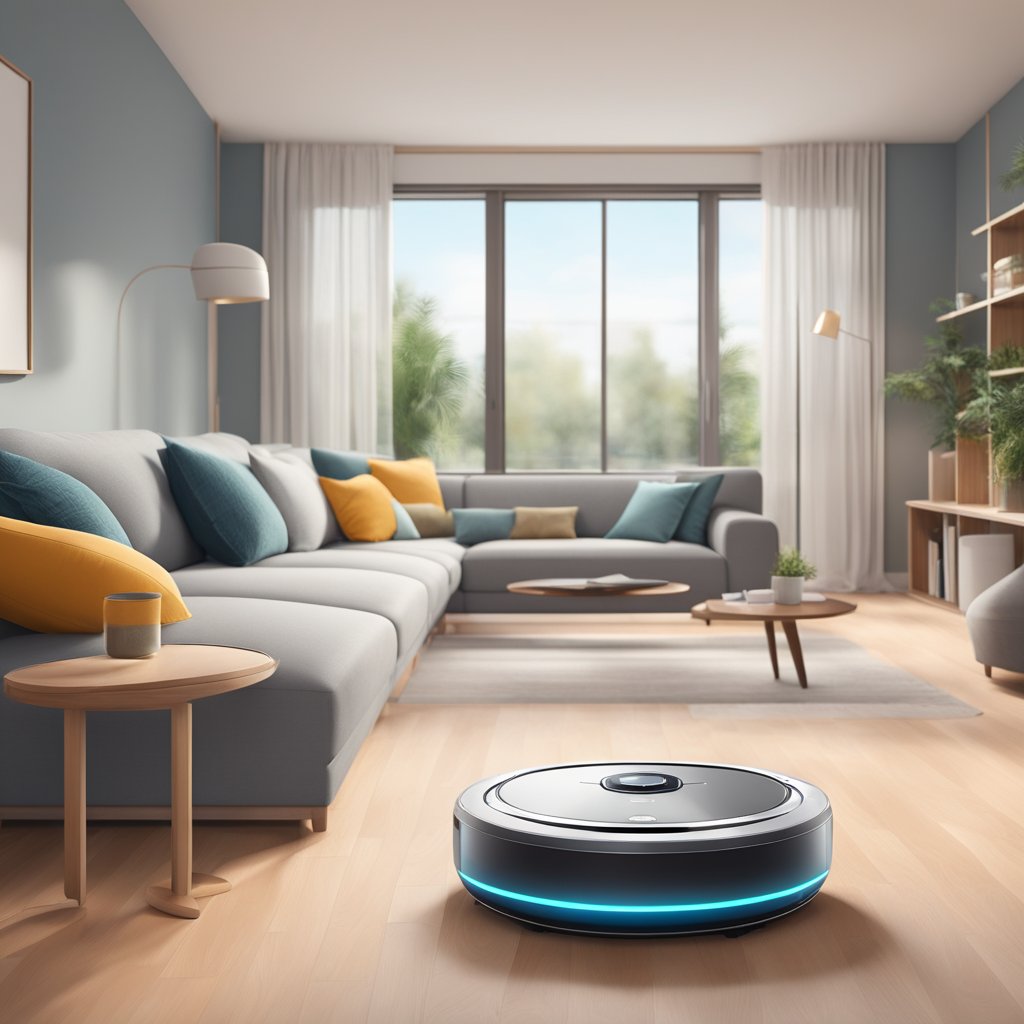
Smart home technology has transformed daily living, making tasks more efficient and convenient. Among these innovations, robot vacuums stand out for their ability to clean autonomously while integrating seamlessly with various smart home systems. The top robot vacuums with smart home integration simplify household chores and enhance overall home management.
These devices can be controlled through mobile apps, voice commands, or automation routines, adding convenience to any home environment. With features like customizable cleaning schedules and integration with platforms like Google Assistant or Amazon Alexa, users can maintain a clean living space without lifting a finger.
As the demand for smart technologies continues to rise, the latest robot vacuums are designed to meet the evolving needs of tech-savvy homeowners. Individuals can choose the perfect cleaning companion for their lifestyles by considering options that offer robust smart home functionality.
Benefits of Smart Home-Integrated Robot Vacuums
Smart home-integrated robot vacuums offer several advantages that enhance their functionality and user experience.
1. Remote Control: Users can operate these vacuums via smartphone apps. This function allows for easy scheduling and control from anywhere.
2. Voice Command Compatibility: Many robot vacuums support voice commands through virtual assistants like Amazon Alexa or Google Assistant. This hands-free operation simplifies cleaning routines.
3. Customizable Cleaning: Smart vacuums can be programmed to clean specific rooms or areas. Users can set preferences for different flooring types or dirt levels.
4. Automated Scheduling: Users can set specific times for the vacuum to clean. This ensures that cleaning occurs even when no one is home.
5. Maintenance Notifications: Smart vacuums send alerts regarding maintenance needs. This feature helps users keep their devices in optimal condition.
6. Integration with Other Smart Devices: These vacuums can work with smart home ecosystems. This includes compatibility with security systems, smart lights, and energy-efficient devices.
7. Efficient Mapping: Advanced models utilize sensors and cameras to create detailed maps of the home. This improves navigation and cleaning efficiency.
Smart home integration enhances the functionality of robot vacuums. Users benefit from convenience, efficiency, and customization tailored to their needs.
Criteria for Selecting a Robot Vacuum with Smart Home Capabilities
Several factors play a crucial role when selecting a robot vacuum that integrates with smart home systems. Compatibility, automation features, and connectivity options are essential aspects that affect the overall user experience and functionality.
Compatibility with Smart Home Ecosystems
Compatibility is vital for ensuring a seamless integration of the robot vacuum with existing smart home devices. Popular ecosystems include Amazon Alexa, Google Assistant, and Apple HomeKit.
When evaluating compatibility, users should check:
Voice Control: Can it respond to voice commands?
App Support: Does it have a dedicated app that is compatible with the smart home system?
Multidevice Functionality: Can it work alongside other smart devices, like lights and thermostats?
A product that supports these features enhances versatility and convenience in daily use.
Automation Features
Automation features improve efficiency and streamline cleaning tasks. Users should look for vacuums that offer customizable scheduling, enabling automatic cleaning at preferred times.
Key automation elements include:
Zone Cleaning: Ability to designate specific areas for cleaning.
No-Go Zones: Setting boundaries to prevent the vacuum from entering certain spaces.
Integration with Routines: Ability to trigger vacuum actions as part of broader smart home routines.
These functions provide users with greater control and flexibility in managing home cleaning.
Connectivity and Control Options
Robust connectivity options ensure the robot vacuum operates smoothly within a smart home environment. Wi-Fi connectivity is essential for remote control and monitoring.
Consider the following aspects:
App Interface: Is the mobile app user-friendly and responsive?
Update Support: Does the vacuum receive regular firmware updates for new features?
Remote Access: Can the user operate the vacuum from anywhere?
A vacuum with strong connectivity features allows for enhanced user interaction and increased functionality.
Top Robot Vacuum Brands for Smart Home Integration
Several brands lead the way in robot vacuums that integrate with smart home systems. These brands enhance convenience by allowing users to control their devices through voice commands and mobile applications. Here are the key players in this space.
iRobot Roomba stands as a pioneer in the robot vacuum industry. The Roomba line offers extensive smart home integration capabilities, allowing users to connect via Wi-Fi and control the vacuum through the iRobot Home app.
Key features include:
Voice Control: Compatible with Amazon Alexa and Google Assistant.
Custom Schedules: Users can set cleaning schedules and customize cleaning preferences.
Smart Mapping: Advanced models use mapping technology to learn home layouts and clean efficiently.
With regular software updates, iRobot ensures compatibility with new smart home devices.
Neato Robotics focuses on advanced cleaning technology and smart home integration. Their D-shaped vacuums are designed for effective edge cleaning and have features that enhance functionality.
Significant aspects include:
Compatible with Smart Home Systems: Works with Apple HomeKit, Google Assistant, and Alexa.
Laser Smart Mapping: This offers precise room mapping and scheduling.
Zone Cleaning Options: Users can direct the vacuum to clean specific areas as needed.
Neato’s focus on user-friendly tech makes it a reliable choice for smart home integration.
Ecovacs Deebot models offer robust functionality combined with smart home capabilities. They provide versatility in cleaning modes to suit different floor types.
Key features include:
Smart Home Compatibility: Works with Amazon Alexa and Google Assistant.
App Control: Users can monitor cleaning sessions and set schedules through the Ecovacs app.
Advanced Navigation: Laser navigation is employed for systematic cleaning paths.
Ecovacs continues to innovate with features to enhance user experience in smart homes.
Roborock has gained popularity for its high-performance robot vacuums that integrate well into smart ecosystems. The brand emphasizes advanced navigation and powerful suction.
Essential features consist of:
Voice Assistance: Fully compatible with Alexa and Google Assistant.
Multi-Functionality: Some models offer both vacuuming and mopping capabilities.
Smart Mapping Technology: Allows for efficient cleaning paths and customizable zones.
Roborock's strong build quality and innovative features make it a top choice for those seeking effective smart home integration.
Setting Up Your Robot Vacuum for Smart Home Integration
Integrating a robot vacuum with smart home systems enhances automation and convenience. The setup involves several key processes, from initial installation to resolving any connectivity issues.
Installation Process
Begin by unboxing the robot vacuum and ensuring all components are present, including the charger, virtual barriers, and filters. To facilitate docking, place the charging dock against a wall, ideally in an open area.
Plug the dock into a power outlet and ensure it’s securely connected.
Next, charge the vacuum fully before first use. This may take a few hours. Once charged, power it on, ensuring it’s ready for the next configuration steps.
Configuring Smart Home Connections
To connect the vacuum to a smart home system, users typically need a compatible app, often provided by the manufacturer. Download the app from your device’s app store and create an account if necessary.
Follow the app's instructions to connect the vacuum to Wi-Fi. Most devices require a 2.4 GHz network, so check your router settings.
Once connected, link the app to your preferred smart home platform, such as Amazon Alexa or Google Assistant. This allows for voice commands and automation routines.
Troubleshooting Common Issues
Occasionally, users may encounter issues during setup. If the vacuum fails to connect to Wi-Fi, ensure the router functions correctly and within range. Restarting both the vacuum and the router can resolve many connectivity problems.
If the app doesn’t recognize the vacuum, check for software updates. Outdated firmware may hinder smart home integration.
For persistent issues, consult the user manual or the manufacturer’s customer support for further assistance. Clear communication of the problem will help diagnose and resolve issues effectively.
Comparing the Top Features of Smart Robot Vacuums
The most significant features that distinguish smart robot vacuums include suction power and cleaning efficiency, battery life and recharging capabilities, and advanced navigation and mapping technology. Each characteristic plays a critical role in determining these devices' effectiveness and user experience.
Suction Power and Cleaning Efficiency
Suction power directly impacts a robot vacuum’s ability to pick up dirt, debris, and pet hair. Most high-end models offer adjustable suction settings, allowing users to select the right power for various surfaces.
Key factors include:
Motor Power: Typically measured in pascals (Pa), higher values indicate stronger suction.
Brush Design: Multi-surface brushes are more effective on different floor types.
Cleaning efficiency is also crucial, measured by coverage area and room cleaning time. Some models can clean up to 2,000 square feet in one charge.
Battery Life and Recharging
Battery life varies significantly among robot vacuums. A longer battery life ensures more extended cleaning sessions without interruptions.
Battery life aspects include:
Run Time: Ranges between 60 to 180 minutes, depending on the model and power setting used.
Recharge Time: Models differ; some take as little as 3 hours to recharge fully.
Smart vacuums recharge automatically and return to their docking stations. This feature allows for uninterrupted cleaning; they can resume work seamlessly after recharging.
Navigation and Mapping Technology
Advanced navigation is essential for efficient cleaning, allowing robots to avoid obstacles and cover all intended areas.
Key technologies include:
LIDAR Navigation: Uses lasers to create precise maps of the environment.
Visual Navigation: This employs cameras to recognize layouts and obstacles.
Some models also offer virtual boundaries through smartphone apps, preventing the vacuum from entering certain areas. This technology enhances user control and optimizes cleaning paths for better coverage.
Understanding User Privacy and Data Security
Consumer privacy and data security concerns are critical when integrating robot vacuums into smart home systems. Consumers must be aware of data collection practices and the measures taken to secure connected devices.
Data Collection Practices
Robot vacuums often gather various types of data to function effectively. These include navigation data, which maps the home layout, and user preferences, which tailor the cleaning schedules.
Many models require access to users' Wi-Fi networks, potentially enabling additional information collection from other connected devices. Manufacturers typically disclose data collection methods in their privacy policies, and users should review these documents to understand what personal data is being collected.
Consumers must know how their information is used. Some companies may share data with third parties for marketing or improvement purposes. Users should consider options for data sharing and control settings within the device’s app.
Ensuring the Security of Connected Devices
Securing connected devices is vital to protect user data. Manufacturers implement several measures to enhance security. Common practices include encryption technology to safeguard communication between the vacuum and the smartphone app.
Users are encouraged to update their device firmware. Updates often address security vulnerabilities that could be exploited. Network security is also important; strong, unique passwords for the home Wi-Fi network can prevent unauthorized access.
Additionally, some devices offer two-factor authentication for extra security. Users should enable this feature if it is available. Understanding and implementing these security measures can significantly reduce risks associated with data breaches.
Maintenance and Care for Long-Term Performance
Maintaining a robot vacuum is essential for ensuring its efficient operation over time. Regular cleaning and managing software updates can significantly extend the device's lifespan and performance.
Regular Cleaning and Replacement Schedules
Routine cleaning of a robot vacuum includes emptying the dustbin after each use. Depending on usage, it is advisable to clean the filters every 1-2 months. Filters can become clogged, affecting suction power.
Brushes should be checked every few weeks for hair and debris. Regularly removing entangled hair will prevent strain on the motor. Replacing the side brushes and main brush every 6-12 months will help maintain peak cleaning performance.
Establishing a replacement schedule for consumable parts can be tracked using a calendar or reminder app. This proactive approach ensures that the vacuum operates smoothly and efficiently.
Managing Software Updates and Bug Fixes
Most robot vacuums operate with software that improves functionality and fixes bugs. If the option is available, users should enable automatic updates. This ensures that the device runs the latest improvements without manual intervention.
Occasionally, users may need to check the manufacturer’s website or app for updates. Reading the release notes can provide insight into new features or enhancements that may benefit performance.
If problems arise, resetting the device or reinstalling the application can resolve the issues. Regularly managing software helps the vacuum adapt to new smart home technologies and enhances overall usability.
Cost vs. Value: Assessing Your Investment
Cost and value are crucial factors when evaluating robot vacuums. The price of these devices can range significantly, often reflecting features, brand reputation, and technology.
Average Price Ranges:
Budget Models: $150 - $300
Mid-Range Models: $300 - $600
High-End Models: $600 - $1,200+
Higher prices often correlate with advanced features like smart home integration, mapping technology, and stronger suction. Buyers should consider what features are essential for their needs.
Value Considerations:
Efficiency: Robot vacuums save time and effort.
Maintenance Costs: Check replacement parts and maintenance needs.
Longevity: A more durable vacuum may justify a higher initial cost.
Investing in a quality model may lead to better long-term results. Budget-conscious buyers should weigh the frequency of usage against the features offered.
Smart home compatibility can enhance convenience, potentially increasing the vacuum’s value. Features like scheduling, remote control, and integration with other devices may lead to a more cohesive smart home experience.
Ultimately, assessing cost versus value requires individual reflection on needs and usage patterns. Understanding the specific benefits of each model can guide thoughtful purchasing decisions.
User Reviews and Testimonials
User reviews provide valuable insights into the performance of robot vacuums with smart home integration. Many users appreciate the convenience and efficiency these devices offer.
A common positive comment relates to the ease of integrating smart home systems. Users find controlling their robot vacuums through voice commands or mobile apps beneficial. This feature enhances convenience, especially for busy households.
Highlighted Reviews:
User A: “The ability to schedule cleanings via my phone has changed my daily routine for the better.”
User B: “It works seamlessly with my smart home system, and I can ask my assistant to start it while I’m away.”
Some users express concerns about navigation. A few have noted that robot vacuums occasionally struggle with complex layouts or obstacles.
Common Concerns:
User C: “It gets stuck on certain furniture, which can be frustrating.”
User D: “Learning the best performance zones in my home takes time.”
Overall, feedback on battery life and suction power varies. While many users report satisfactory performance, others note that higher-pile carpets can present challenges.
In summary, robot vacuums with smart home integration receive mixed reviews. User experiences range from high satisfaction to minor inconveniences.
Affiliate Disclaimer: This article contains
affiliate links, meaning I may earn a commission if you click through and make
a purchase at no extra cost.
Smart TV Integration: Centralizing Your Entertainment Ecosystem
Smart TVs have transformed how people consume content, allowing seamless access to various services from a single device. Centralizing your entertainment ecosystem through smart TV integration simplifies viewing experiences and enhances convenience by streamlining access to multiple platforms. Smart TVs allow individuals to easily manage their favorite streaming services, gaming consoles, and smart home devices.
The integration of smart TVs into daily life means more than just watching shows; it’s about connecting various entertainment sources cohesively. Features such as voice control, built-in apps, and compatibility with other smart devices make it easier to control home entertainment systems with minimal effort. As more people embrace this technology, understanding how to set up and utilize these devices efficiently becomes essential.
With a smart TV, viewers can tailor their entertainment experiences according to personal preferences. By centralizing control, they can switch between different media types without the hassle of managing multiple remotes or interfaces. Maximizing the capabilities of a smart TV ultimately leads to a richer and more enjoyable entertainment experience.
Understanding Smart TV Integration
Smart TV integration centralizes various entertainment options, making accessing and managing content easier. This integration involves connecting multiple devices and services, all controlled from a single interface.
Concept of Smart TV Ecosystem
The smart TV ecosystem comprises smart TVs connected to the internet, streaming devices, gaming consoles, and smart home devices. This setup often utilizes various apps and services, allowing users to switch between platforms seamlessly.
Key components include:
Streaming Services: Access to platforms like Netflix, Hulu, and Amazon Prime.
App Integration: Use of additional applications for social media, gaming, and more.
Smart Home Compatibility: Integration with lights, security systems, and voice assistants.
This interconnected system enhances the viewing experience and simplifies device management, creating a more cohesive user environment.
Benefits of a Centralized Entertainment System
A centralized entertainment system provides multiple advantages, significantly enhancing user experience. First, it streamlines access to content, reducing the hassle of switching between various devices or remotes.
Benefits include:
Convenience: Users can control everything from one interface, saving time and effort.
Personalization: Recommendations across platforms can tailor viewing experiences to individual preferences.
Reduced Clutter: Fewer devices and remote controls mean a cleaner entertainment space.
The integration fosters better communication between devices, leading to synchronized features and a unified control system. This allows for a more enjoyable and effective entertainment experience.
Selecting the Right Smart TV
Choosing the ideal smart TV involves considering essential features and the various operating systems available. Understanding these aspects helps streamline the decision-making process.
When selecting a smart TV, notable features include screen resolution, size, and connectivity options. Resolution choices typically range from Full HD (1080p) to 4K Ultra HD and 8K. Higher resolution offers clearer images, enhancing the viewing experience.
Screen size should align with the room dimensions and viewing distance. A larger screen often provides a more immersive experience, while too large can overwhelm a small space.
Connectivity is crucial. Look for HDMI ports, USB ports, and Wi-Fi capabilities. Smart TVs often include Bluetooth support for connecting external devices. Also, consider the refresh rate for smoother motion during fast-paced scenes.
Operating System Choices
Smart TVs run on various operating systems, which dictate their functionality and user experience. Common options include Android TV, Roku, Amazon Fire TV, and proprietary systems like Samsung’s Tizen or LG’s webOS.
Android TV grants access to the Google Play Store and robust app support. It offers a customizable user interface and integrates well with Google Assistant.
Roku provides an intuitive interface and access to numerous streaming services. It also includes a robust search function for finding content across platforms.
Amazon Fire TV focuses on Amazon Prime Video and Alexa integration.
Each operating system has pros and cons. Evaluating personal preferences and viewing habits can help guide the best choice.
Setting Up Your Smart TV
Correctly configuring a Smart TV is crucial for a seamless entertainment experience. The initial setup can involve connecting to the internet, customizing settings, and linking other devices for enhanced functionality.
Initial Configuration
Upon turning on the Smart TV for the first time, users will be prompted to select their preferred language. The TV will then guide them through connecting to Wi-Fi.
Wi-Fi Connection Steps:
Select the Wi-Fi network.
Input the network password.
Test the connection.
Once online, users may need to log in to their respective streaming service accounts. This usually includes platforms like Netflix or Hulu. Settings can be adjusted for picture quality, sound preferences, and app management.
Key Settings to Configure:
Picture Mode
Audio Preferences
Accessibility Options
Customizing these settings can significantly improve the viewing experience.
Connecting to Other Devices
Linking additional devices enhances functionality. Common connections include gaming consoles, Blu-ray players, and sound systems.
Connection Methods:
HDMI: Most devices use HDMI for high-quality audio and video.
Bluetooth: For wireless connections, enabling Bluetooth allows pairing with sound systems or headphones.
To Connect via HDMI:
Plug the HDMI cable into the TV and the device.
Switch the TV input to the corresponding HDMI port.
For Bluetooth, users should navigate to the TV’s settings to pair with compatible devices. Ensuring all components are connected properly can greatly improve the overall entertainment experience.
Streaming Services and Applications
Smart TVs provide access to various streaming services and applications, allowing users to customize their entertainment experience. This section explores popular platforms and app integration and account management essentials.
Popular Streaming Platforms
Smart TVs support a wide range of streaming platforms. Some of the most widely used include:
Netflix: Netflix is known for its original shows and extensive movie library.
Amazon Prime Video: Amazon Prime Video offers a variety of films and series, along with exclusive content.
Hulu: Features current TV episodes and a large catalog of past shows.
Disney+: Focuses on family-friendly content from Disney, Pixar, Marvel, and Star Wars.
HBO Max: HBO Max delivers premium shows and movies from HBO and additional WarnerMedia content.
Each platform often offers a unique selection of titles, catering to different audience preferences.
App Integration and Account Management
Effective app integration enhances user experience. Most Smart TVs allow users to download and access multiple streaming apps seamlessly.
Managing accounts across different platforms is crucial. Users can typically sign in using:
Email and Password: This is the Common method for most services.
Single Sign-On (SSO): Allows users to log into multiple services with one account, improving convenience.
Additionally, users should regularly update their apps for improved performance and security. Notifications for new content help ensure they never miss their favorite shows or movies.
Smart Home Connectivity
Smart TVs play a crucial role in creating a cohesive smart home ecosystem. They enable streamlined automation and access to various devices. They serve as a central hub for controlling home gadgets, enhancing convenience and user experience.
Home Automation Through Smart TV
Smart TVs integrate seamlessly with other smart devices, allowing users to control lighting, thermostats, and security systems directly from the TV interface.
Device Compatibility: Many smart TVs support connectivity with popular systems like Google Home and Amazon Alexa.
User Interfaces: They usually feature user-friendly interfaces that allow effortless navigation between compatible devices.
Automation Routines: Users can set up routines, such as automatically dimming lights when starting a movie or adjusting temperature settings based on viewing habits.
This integration enables a more interactive and efficient home automation experience, allowing users to manage multiple devices from one location.
Voice Control and Remote Access
Many smart TVs now offer voice control features, enhancing accessibility and convenience for users.
Voice Assistants: Integration with voice assistants allows users to perform tasks using commands. This can include turning on devices, adjusting volume, or searching for content.
Remote Access: Users can access their smart home devices remotely via their smart TVs, enabling control from anywhere in the home.
This capacity ensures that all functionalities are easily accessible, enhancing the overall smart home experience and simplifying everyday tasks.
Troubleshooting and Support
Addressing issues with Smart TV integration can enhance the viewing experience. Knowing common problems and when to seek help can save time and frustration.
Common Issues and Solutions
No Internet Connection If the Smart TV cannot connect to the internet, the user should first check other devices. Restarting the TV and router often resolves the issue if they are connected. Resetting network settings might also be necessary.
Remote Control Malfunctions If the remote stops responding, replacing the batteries is the first step. If that doesn’t work, you can attempt a reset by removing the batteries and pressing any button for 10 seconds before inserting new batteries.
App Crashes or Freezes When apps crash, users should ensure that the software is updated. Reinstalling the problematic app can also fix ongoing issues. If app crashes persist, a factory reset may be a last resort.
When to Seek Professional Help
Persistent issues that are unresolved after troubleshooting could indicate a more serious problem. A professional evaluation is wise if the TV experiences hardware failures, such as screen issues or consistent crashes.
Additionally, users should consult support if unfamiliar error codes appear. Checking the manufacturer’s website or contacting customer service can provide specific guidance.
Professional assistance ensures that the device is handled safely and efficiently when physical repairs are necessary.
Future of Smart TV Entertainment
The landscape of smart TV entertainment is evolving with technological advancements and changing consumer preferences. Integrating cutting-edge features promises to enhance user experiences and streamline content access.
Emerging Technologies and Trends
One significant trend is the rise of artificial intelligence (AI) in smart TVs. AI enhances user recommendations by analyzing viewing habits and preferences, making content discovery more intuitive and personalized.
Another pivotal technology is 8K resolution. While 4K is now a standard, 8K TVs are becoming more accessible. This offers viewers greater detail and clarity for an immersive experience.
Additionally, voice control is on the rise. Smart TVs with advanced voice recognition allow users to navigate through content hands-free. This convenience aligns with the growing preference for smart home integration.
Anticipated Developments in Smart TV
Future smart TVs are expected to incorporate enhanced connectivity features, including seamless integration with other smart devices within the home, creating a cohesive ecosystem.
Cloud gaming is also anticipated to gain traction. As games are streamed directly, users may enjoy high-quality gaming experiences without the need for powerful hardware.
More interactive and dynamic options are being developed for user interfaces. This aims to create a more engaging viewing experience and allow for real-time interaction with content and services.
Finally, augmented reality (AR) will likely emerge in smart TV applications. This technology could overlay digital information onto the real world, enhancing users' interactions with programming.
Disclosure: This article contains affiliate
links, meaning I may earn a commission if you click through and purchase. This
helps me continue to share valuable content with you.
Smart TV Integration: Centralizing Your Entertainment Ecosystem