
Google Home vs. Amazon Alexa: Smart Hub Showdown
Smart home technology continues to evolve, with Google Home and Amazon Alexa leading the charge. Both platforms offer a range of features designed to enhance daily life, from voice-activated control of smart devices to managing schedules and providing information. When comparing Google Home and Amazon Alexa, it becomes clear that each has distinct advantages that cater to different user preferences and needs.

Users often focus on compatibility, as both systems integrate with a variety of smart devices, but they differ in ecosystems. While Google excels in search capabilities and smart home integration, Alexa is known for its extensive third-party integrations and skills, providing users with a more customizable experience.
As consumers navigate the landscape of voice assistants, understanding these differences can guide them in choosing the right smart hub for their home. The decision ultimately hinges on specific lifestyle needs and the broader ecosystem each user prefers to work within.
Overview of Smart Hubs
Smart hubs serve as central points for controlling various smart home devices, creating a seamless experience for users. They manage devices like lights, thermostats, and security systems through voice commands or mobile apps. Understanding their evolution and ecosystems sheds light on their functionality and user adoption.
Evolution of Smart Home Technology
Smart home technology has rapidly transformed from basic automation to sophisticated systems. Early devices required manual operation, limiting integration. The introduction of Wi-Fi and Bluetooth technology enabled devices to communicate wirelessly.
Innovations like voice-activated assistants marked a turning point. Users can now control multiple devices with simple voice commands. Popular devices like Google Home and Amazon Alexa paved the way for broader adoption.
The rise of machine learning and AI further enhanced user experiences, enabling personalized settings. Energy efficiency, security, and convenience are key benefits driving consumer interest. As technology advances, smart hubs continue to play a crucial role in shaping connected living.
Comparing Smart Hub Ecosystems
Google Home and Amazon Alexa represent two dominant ecosystems in the smart hub market. Both offer extensive compatibility with smart devices from various manufacturers.
Amazon Alexa features a large skill library, allowing integration with thousands of compatible devices. Its voice recognition is robust, and routines can simplify multiple tasks. Furthermore, Alexa's capabilities extend to home security systems, smart appliances, and entertainment.
Google Home, backed by Google's search capabilities, excels in providing information and responses. Its ecosystem integrates well with Google services like Calendar and Maps. The Google Assistant can also interconnect with multiple devices easily.
While each ecosystem has its strengths, user preference may depend on existing device compatibility and personal usage patterns. Each platform continually expands device compatibility and features, ensuring competitive growth.
Design and Build
The design and build quality of smart hubs can significantly impact user experience. Both Google Home and Amazon Alexa offer unique aesthetics and construction, catering to different preferences.
Google Home: Aesthetics and Durability
Google Home features a minimalist design that blends well with various interiors. Its cylindrical shape is complemented by interchangeable fabric covers, allowing users to customize its appearance. Weighing around 1.5 pounds, it is sturdy yet lightweight.
The top of Google Home is made of touch-sensitive plastic for easy control, providing a seamless user experience. Its durable construction ensures it withstands daily use. The device is available in multiple colors, such as white, gray, and coral, appealing to a wide audience.
Amazon Alexa: Form Factor and Material Quality
Amazon Alexa, notably represented by the Echo series, exhibits a more robust and traditional speaker design. The Echo Dot has a compact, puck-like shape, while the standard Echo features a taller cylindrical appearance. Both designs are functional and can fit into most spaces without being obtrusive.
Material quality is a strong point for Amazon Alexa. The devices typically use a combination of hard plastics and fabric, providing a solid feel. The Echo's build quality is enhanced by a weight of about 3 pounds, ensuring stability. Different colors and finishes, like fabric and sleek metal, add customization options for users looking to match their decor.
Voice-Assistant Capabilities
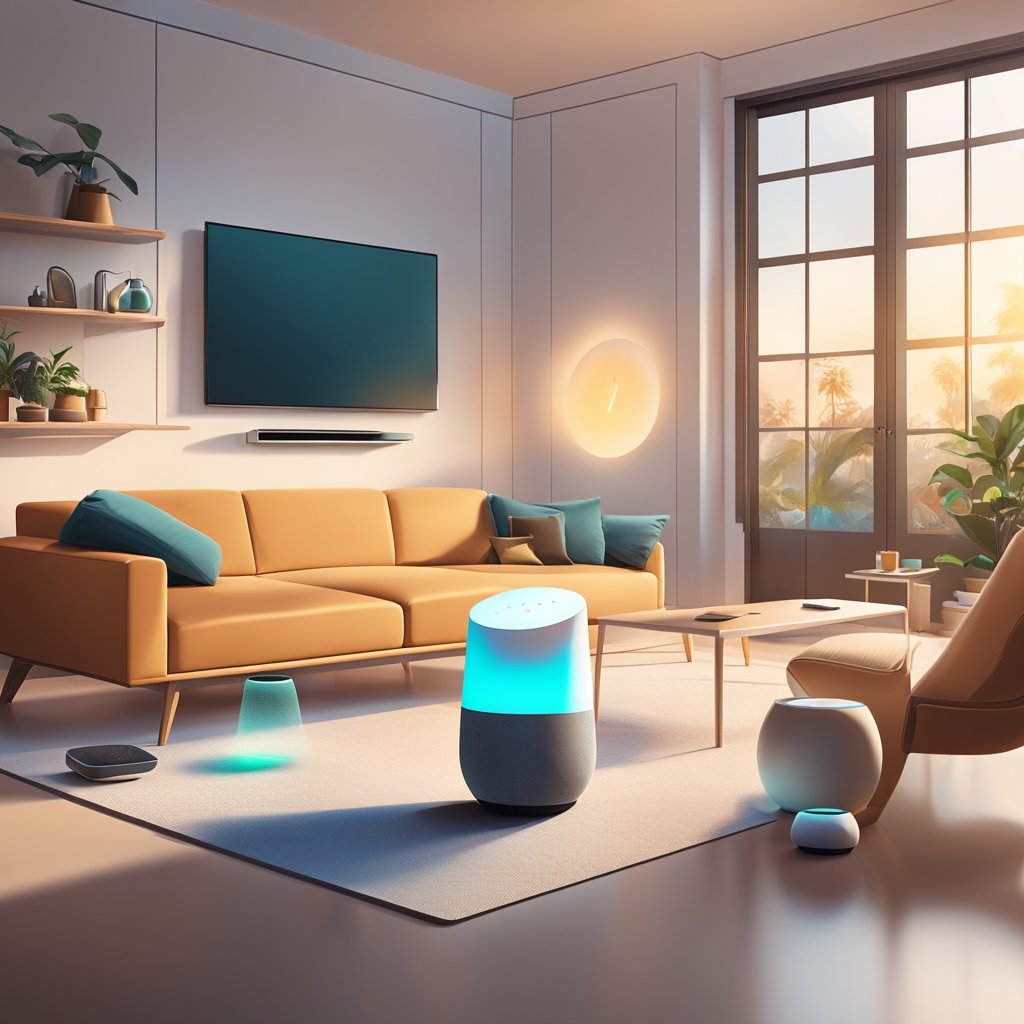
Both Google Home and Amazon Alexa offer robust voice-assistant features, making them essential for smart home management. Their capabilities vary, affecting user experience through natural language processing and response efficiency.
Understanding Natural Language
Due to its integration with Google Search, Google Home excels at natural language understanding. It can handle complex queries and maintain context over multiple questions. For example, a user might ask, "What's the weather like today?" followed by, "And how about tomorrow?" Google Home usually connects the two seamlessly.
Amazon Alexa also performs well but can sometimes struggle with context. It is designed for shorter commands. For instance, requesting a music playlist may require separate commands rather than following up on a previous request. This can lead to a more fragmented conversation, affecting user satisfaction.
Response Time and Accuracy
Both devices are competitive in terms of response time. Google Home typically responds slightly faster, providing answers almost instantly for straightforward queries. A quick question about the time or a simple fact often results in rapid feedback.
Amazon Alexa's response time is generally reliable but might lag during complex queries. This could be due to the need for extensive database searches. Accuracy is another differentiation point. Google Home's access to real-time data often yields more precise answers. In contrast, while Alexa is improving, users may experience occasional inaccuracies when asking specific questions about niche topics.
Smart Home Integration
Both Google Home and Amazon Alexa offer extensive smart home integration options, providing consumers with various choices for setting up their connected devices. Each platform excels in device compatibility and supports a range of third-party services.
Device Compatibility and Setup
Google Home and Amazon Alexa are compatible with thousands of smart devices.
Google Home connects seamlessly with products from major brands like Philips Hue, Nest, and TP-Link. Users can set up devices through the Google Home app, simplifying the process.
Amazon Alexa boasts compatibility with an even broader range of devices. Brands like Ring, Wemo, and Arlo work well with Alexa-enabled devices. The Alexa app also offers a straightforward setup process, making adding new gadgets easy.
Both platforms provide voice control capabilities, enabling users to manage devices with voice commands. The breadth of available devices ensures users can build a customized smart home experience.
Third-Party Services and Partnerships
Amazon Alexa has established numerous partnerships with third-party services, enhancing its smart home capabilities. Integration with services like IFTTT and SmartThings allows users to create custom automations.
In contrast, Google Home also supports popular services but has fewer choices than Alexa. It integrates with services like IFTTT and offers partnerships with brands such as August and Honeywell.
Both systems enable users to add devices for automation and scheduling, although Alexa tends to have more extensive support for niche products. This difference can influence user preferences when building a smart home ecosystem.
User Interface and Accessibility
The user interfaces of Google Home and Amazon Alexa are designed to enhance accessibility and ease of use. Each platform offers distinct mobile apps and user profile management systems that cater to different preferences.
Mobile App and Web Interface
Google Home features a clean, intuitive interface that allows users to manage devices, settings, and routines. The app includes a bottom navigation bar with tabs for Home, Devices, and Explorations, making it easy to access various functions. It integrates smoothly with Google services, providing quick access to Calendar, YouTube, and more.
Amazon Alexa also offers a user-friendly app that prominently displays devices and routines on the home screen. Users can easily navigate through categories like Devices, Skills, and Playlists. The integration with Amazon services, including Prime Music and shopping lists, simplifies tasks for frequent users.
Setting up User Profiles and Permissions
Google Home allows users to set up multiple profiles linked to Google accounts. This personalization enables tailored responses and customized routines, ensuring the assistant understands individual preferences. Users can manage permissions for specific devices through the app, enhancing security and personal control.
Amazon Alexa supports user accounts but does not offer personalized profiles in the same manner. Instead, it allows users to manage device settings and permissions for shared devices. This feature provides flexibility for families, enabling them to control which Alexa skills or smart home devices are accessible to different users.
Privacy and Security
Google Home and Amazon Alexa prioritize user privacy and security but approach data collection and protection differently. Understanding these distinctions is crucial for users concerned about their personal information.
Data Collection Policies
Google Home collects data to enhance user experience. Voice commands, device usage patterns, and account details help refine its services. Users are informed of this data collection during setup.
Amazon Alexa also gathers similar data, focusing on user interactions and preferences. Through the Alexa app, users can review and delete their voice recordings. Both platforms allow users to manage privacy settings effectively, although their policies may vary in scope.
Comparison Table:
| Feature | Google Home | Amazon Alexa |
|---|---|---|
| Data Access | Voice commands, device info | Voice interactions, app usage |
| User Control | Data management through Google Account | Deletion via Alexa app |
| Transparency | Clear data collection disclosures | User notifications for data use |
Encryption and User Safety Features
Google Home employs encryption protocols to safeguard data during transmission and storage, ensuring that user information remains confidential. Features like voice recognition further enhance authentication.
Amazon Alexa utilizes similar encryption standards to protect users. Additionally, Alexa offers a "Mute" button, allowing users to disable the microphone for privacy. Security updates are frequently rolled out, addressing vulnerabilities proactively.
Key Safety Features:
Google Home:
- End-to-end encryption
- Voice match technology
Amazon Alexa:
- Mute functionality
- Regular security updates
Both devices aim to maintain user trust while providing smart home functionalities.
Support, Warranty, and Customer Service
When comparing Google Home and Amazon Alexa, examining their support systems, warranty offerings, and customer service options is essential. Both platforms provide resources to assist users but differ in their approaches and coverage.
Manufacturer Warranties and Returns
Google Home products typically come with a limited warranty of one year from purchase. This warranty covers defects in materials and workmanship under normal use. Users can return items within 15 days for a full refund, provided they are within the return window and in their original packaging.
Amazon offers a similar one-year warranty for Echo devices. However, Amazon's return policy is more flexible, allowing returns within 30 days of purchase. This extension benefits customers who want a longer evaluation period to ensure satisfaction with their device.
Online Resources and Community Support
Both Google and Amazon provide comprehensive online support resources. Google has a dedicated support page featuring troubleshooting guides, FAQs, and product manuals. Users can access community forums for peer assistance, making it easier to resolve common issues.
Amazon also offers extensive online resources, including setup guides, troubleshooting help, and user forums. The Amazon Alexa app includes a section for users to ask questions and engage with other Alexa users. Both platforms provide robust documentation for developers, enhancing the ecosystem around their products.
Disclosure: This article contains affiliate
links, meaning I may earn a commission if you click through and purchase. This
helps me continue to share valuable content with you.
No comments:
Post a Comment